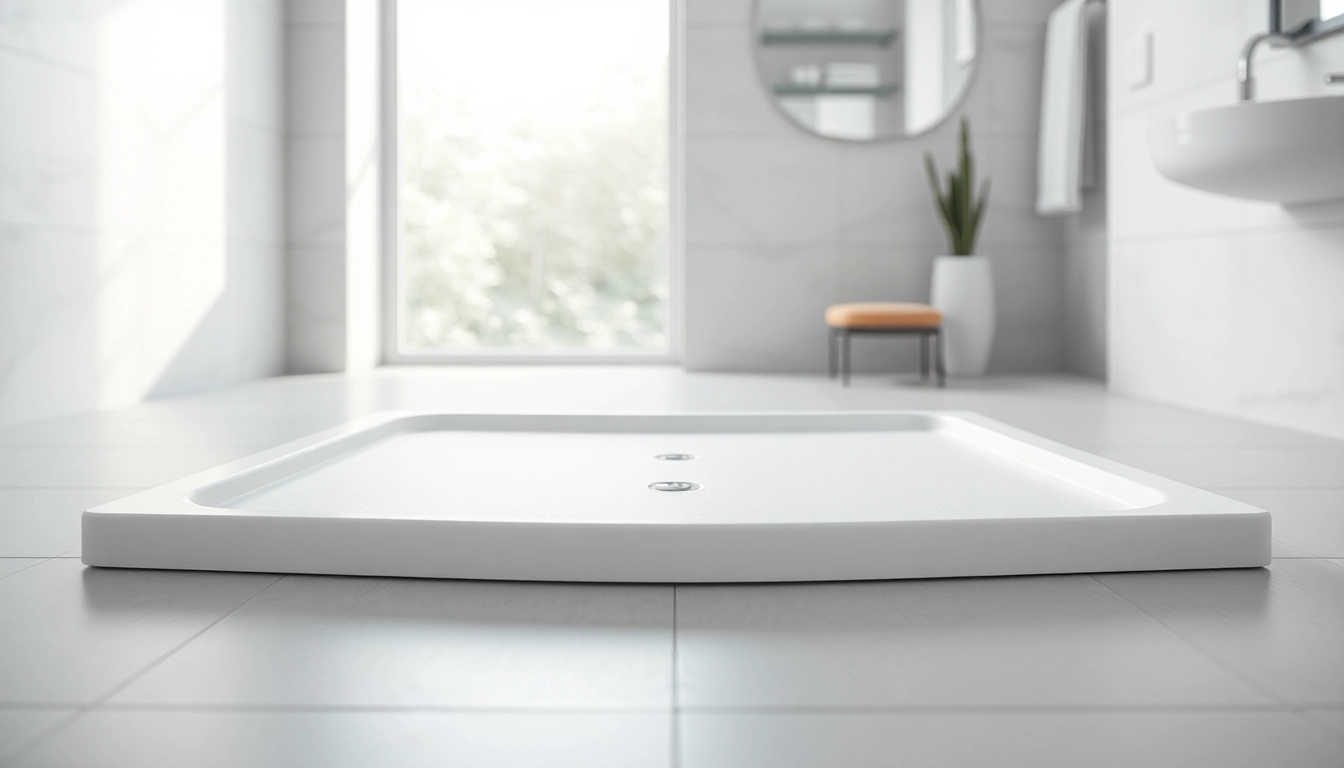
Understanding Different Types of Shower Bases
When it comes to enhancing your bathroom's functionality and aesthetics, selecting the right shower base is a vital step in your bathroom renovation or construction project. The market offers a diverse range of shower bases to accommodate various preferences, styles, and budgets. Understanding these options can help you make an informed decision that aligns with your overall design vision and practical needs.
Standard Shower Base Options
Standard shower bases are designed for easy installation and are available in various shapes and sizes to fit most common shower layouts. Typically made from acrylic or fiberglass, these shower bases are lightweight, affordable, and resilient against wear over time. They can be square, rectangular, or even circular, depending on your bathroom layout and space constraints.
These bases often come with pre-drilled drain holes, making them ideal for DIY installations. Standard sizes usually range from 30 inches to 60 inches in length. This variety allows homeowners to choose options that suit both compact and spacious bathrooms, ensuring they create a comfortable showering experience.
Custom Shower Bases and Their Advantages
For unique bathroom configurations or specific aesthetic preferences, custom shower bases provide a tailored solution. Unlike standard options, these bases are fabricated to your exact specifications, allowing for personalized shapes, sizes, and materials. Custom bases might involve materials like natural stone, tile, or even concrete, adding a luxurious touch to your bathroom design.
The primary advantage of choosing a custom shower base is the ability to create a seamless look that integrates perfectly with your overall bathroom decor. Additionally, custom bases can address specific functional needs, such as accommodating unique plumbing configurations or ensuring improved drainage. While they may come at a higher cost, the benefits of personalized design can justify the investment for many homeowners.
Choosing Materials for Your Shower Base
The material of your shower base plays a crucial role in its durability and maintenance requirements. Common materials include:
- Acrylic: Known for its lightweight composition, easy installation, and affordability. Acrylic shower bases are resistant to chipping and cracking but can be prone to scratching.
- Fiberglass: Similar to acrylic, fiberglass bases are economical and lightweight. They offer reasonable durability but may require more frequent maintenance to keep their finish looking new.
- Tile: Options made from ceramic or porcelain tiles provide a custom aesthetic. They allow creative freedom in design but can be labor-intensive to install and maintain.
- Stone: Natural stone bases like granite or marble offer a luxurious feel and excellent durability. However, they may require regular sealing to prevent water damage.
- Composite materials: Combines benefits of various materials for optimal performance and durability, making them a versatile and attractive option.
Key Features to Look for in a Shower Base
Choosing the right shower base involves considering various features that contribute to its performance and usability. Here are the critical aspects to keep in mind when making your selection:
Size and Fit Considerations
The dimensions of your shower base must align with the overall size of your bathroom and the intended design. Measure the area where the base will be installed to ensure a perfect fit. It’s also essential to account for any additional elements, such as shower doors or fixtures that can affect the usable space.
Additionally, consider common standard sizes, but be prepared to customize if your space has peculiar characteristics. A proper fit not only enhances aesthetics but also ensures functionality, providing ample room for movement while showering.
Drainage and Installation Requirements
Efficient drainage is critical for preventing water damage and maintaining cleanliness in the shower area. Ensure that the chosen shower base has suitable drainage options that align with your existing plumbing. This is particularly important for custom installations, where the drainage system must be meticulously planned.
Installation requirements vary depending on the type of base you choose. Standard bases typically come with clear installation guidelines. However, custom bases may necessitate professional installation to address plumbing and structural considerations effectively.
Slip Resistance and Safety Features
Safety is paramount when it comes to choosing a shower base, especially in families with children or elderly adults. Look for shower bases that offer slip-resistant surfaces. Many manufacturers now produce bases with textured finishes that help prevent slips and falls, providing peace of mind during use.
In addition to texture, consider features such as low curbs or barrier-free designs that facilitate easy access for individuals with mobility challenges. These design elements enhance the shower’s safety and accessibility.
Installation Tips for Your Shower Base
Successfully installing a shower base hinges on attention to detail and proper preparation. Here, we present key steps and common pitfalls to consider for a flawless installation process.
Common Mistakes and How to Avoid Them
One of the most frequent mistakes during shower base installation is inadequate leveling. An unlevel base can lead to poor drainage and standing water. Always verify that the subfloor is level before proceeding with installation.
Another mistake is ignoring the manufacturer’s instructions. Each shower base might have specific requirements for installation that differ from others. Read and follow these instructions carefully to ensure the best installation quality.
Tools You Will Need for Installation
Having the right tools on hand can significantly streamline the installation process. Here’s a basic toolkit that you will find helpful:
- Measuring tape
- Level
- Power drill and drill bits
- Tile cutter (for tile bases)
- Hammer and nails or screws
- Sealant and caulk
Steps for a Seamless Installation Process
The sequence of installation is essential for achieving a secure fit:
- Prepare the area: Begin by clearing the space and ensuring the subfloor is clean, dry, and level.
- Install the drain: Position the drain assembly according to the manufacturer's specifications before placing the shower base.
- Set the base: Carefully position the shower base, checking for level alignment and adjusting as necessary.
- Secure the base: Use adhesive or screws as directed to anchor the base firmly to the floor and prevent movement.
- Seal seams: Apply waterproof sealant around the edges of the shower base to protect against leaks.
Maintaining Your Shower Base
To ensure longevity and maintain appearance, regular maintenance of your shower base is important. Here's how to keep your base looking pristine.
Cleaning and Care Tips
Clean the shower base regularly to prevent soap scum, mildew, and hard water buildup. Use gentle, non-abrasive cleaners that are safe for the specific material of your shower base. For tough stains, a mixture of vinegar and baking soda can work wonders without damaging the surface.
Preventing Damages and Wear
To prevent scratches and cracks, avoid using sharp tools or harsh cleaning agents. Implementing a routine cleaning schedule and addressing spills promptly can also reduce the wear on your shower base.
When to Consider Replacement
Despite its durability, there may come a time when your shower base shows significant wear, such as extensive cracks, deep scratches, or persistent leaks that cannot be fixed. If you notice these issues, it may be prudent to consider a replacement. Addressing these problems sooner rather than later can save you larger repair costs down the line.
FAQ: Common Questions About Shower Bases
What is the best material for a shower base?
The best material depends on your budget and preference. Acrylic is affordable and lightweight, while tile offers customization options. Natural stone provides elegance but may require more maintenance.
How do I properly clean my shower base?
Use mild, non-abrasive cleaners suited for your base’s material. Regular cleaning with vinegar and water can help remove soap scum and mildew.
What size shower base do I need?
Your shower base size should match your space. Measure your shower area and select a base that fits while considering plumbing and fixture placements.
Can I install a shower base myself?
Yes, if you're comfortable with DIY tasks. Just ensure you follow the manufacturer’s instructions and take necessary safety precautions.
How can I prevent my shower base from cracking?
Ensure proper leveling during installation, avoid heavy impacts, and use non-abrasive cleaners to maintain the integrity of your shower base.