
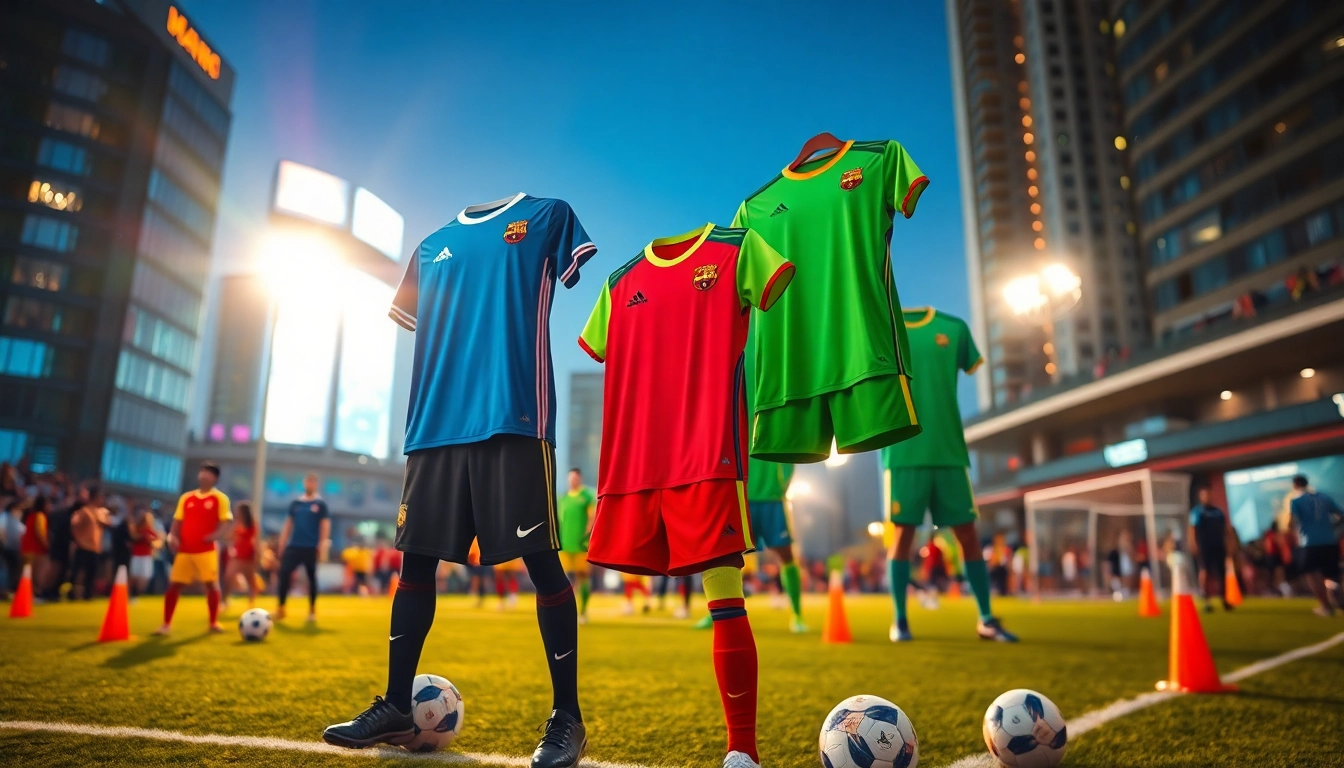
Understanding the Importance of Team Kit
Defining Team Kit and Its Functionality
In the world of sports, the term "team kit" encompasses much more than just uniforms; it represents a crucial aspect of team identity, functionality, and performance. A team kit typically includes jerseys, shorts, socks, and sometimes additional items like warm-up gear and practice kits. The primary function of a team kit is to provide athletes with the appropriate attire for competition and training, allowing for comfort, mobility, and a sense of unity among players. An effective team kit plays a vital role in team branding and communication, setting the tone for the team's image both on and off the field.
A well-designed Team kit not only enhances the athletic performance of players but also boosts their morale and confidence. When players wear their team colors and logo, they feel a stronger connection to their teammates and a desire to represent their club with pride. This connection is critical in fostering teamwork and camaraderie, essential elements for success in any sport.
Historical Context and Evolution of Team Kit
The history of team kit dates back to the late 19th century when sports began to adopt a more formal structure. Early football teams wore a simple combination of shirts and shorts in various colors, often based on local preferences or available materials. It wasn’t until later that specific styles and branding began to emerge, marking a significant shift in how teams presented themselves.
As the 20th century progressed, the team kit evolved with advancements in fabric technology and design. The introduction of synthetic materials provided lighter, more breathable options that improved performance for athletes. Iconic designs, such as the simple yet effective striped jerseys in soccer or the bold colors in American football, began to establish a visual identity that resonated with fans. The commercialization of sports further propelled the importance of team kits, turning them into a staple for merchandising and branding strategies within athletics.
Key Features to Look for in a Team Kit
When selecting a team kit, several key features are essential to ensure the best fit for the athlete's needs and the team's identity:
- Material Quality: The choice of fabric impacts comfort and performance, influencing moisture-wicking capabilities, durability, and overall fit.
- Design and Branding: Customization options, such as club colors, logos, and player names, should embody the team's spirit and identity.
- Fit and Comfort: Athletes should feel unrestricted in their movements. Adjustable features such as elastic waistbands and breathable areas can enhance comfort.
- Weather Resistance: Appropriate materials should be chosen based on climate conditions, ensuring players can perform at their best regardless of the environment.
Understanding these features can guide teams in making informed decisions that reflect their values and enhance performance on the field.
Types of Team Kits Available
Customizable Options for Unique Team Identity
Customization is a cornerstone of modern team kits, allowing teams to establish a unique identity that resonates with players and fans alike. Common customization options include:
- Colors: Selecting team colors can represent the club's identity and heritage, making it instantly recognizable.
- Logos and Branding: High-quality printing options for team logos and sponsor branding can enhance the professional appearance of the kit.
- Player Names and Numbers: Personalization for each player fosters a sense of belonging and pride in representing the team.
- Unique Designs: Creative graphics and patterns can showcase a team’s character, making them stand out during competitions.
By investing in custom team kits, clubs not only unify their players with a cohesive look but also create a lasting impact on their supporters.
Material Variations and Their Benefits
Team kits can be made from various materials, each offering unique advantages:
- Polyester: Lightweight and moisture-wicking, polyester is a popular choice that balances performance and durability.
- Cotton: While soft and comfortable, cotton is less suitable for performance sports as it retains moisture and can be heavy when wet.
- Spandex: Adding spandex increases elasticity, improving fit and allowing for a greater range of motion during play.
- Hybrid Fabrics: Advanced materials that combine multiple fabrics provide tailored benefits, such as enhanced breathability and stretch.
Choosing the right material is critical to optimizing player performance and comfort, impacting how athletes perform during games and practices.
Comparing Budget and Premium Team Kit Choices
When considering team kits, organizations often face the decision between budget-friendly options and premium products. Here’s a breakdown of the two:
- Budget Kits: Cost-effective options may be suitable for amateur teams or new programs. While they may lack some advanced features, they generally offer decent quality at a lower price point.
- Premium Kits: Designed for professional athletes, premium kits typically include advanced materials, superior craftsmanship, and a greater range of customization options. These kits can enhance performance and provide a professional appearance.
Ultimately, teams must balance their budget while ensuring they can deliver quality uniforms that adequately represent their brand and meet their players' performance needs.
Choosing the Right Fit for Your Team
Sizing and Comfort Considerations
The fit of a team kit is crucial in ensuring athletes can perform at their best without restrictions. When selecting sizes, teams should consider the following factors:
- Body Measurements: Accurate measurements are essential for identifying the right sizes. Refer to sizing charts provided by manufacturers to ensure a proper fit.
- Player Preference: Some players may prefer a looser fit for comfort, while others may opt for a more snug design to reduce drag and inhibit movement.
- Growth Considerations: For youth teams, consider allowing room for growth when selecting sizes to extend the life of the uniforms.
By prioritizing comfort and fit, teams can enhance athlete performance and satisfaction, contributing to a positive team dynamic.
Performance Enhancements through Technology
Modern team kits increasingly incorporate advanced technologies designed to enhance athletic performance:
- Moisture-Wicking: Fabrics that draw sweat away from the skin help regulate temperature and keep athletes dry during intense matches.
- Thermal Regulation: Kits engineered with temperature-regulating properties maintain optimal comfort by allowing airflow and temperature control.
- Antimicrobial Treatments: Fabrics treated to prevent the growth of bacteria minimize odors and improve hygiene for athletes.
- Reflective Elements: Kits designed with reflective materials improve visibility for athletes during evening play or low-light conditions.
Integrating those technologies into team kits can lead to performance improvements, ensuring athletes are well-equipped to tackle challenges on the field.
Consultation Tips for Selecting Team Kit
When deciding on the right team kit, it’s helpful to consult with various stakeholders:
- Players: Involve athletes in the selection process to gather input on fabric preferences, sizing, and design preferences.
- Coaches: Coaches can provide insight into performance needs based on the demands of the sport.
- Administrative Staff: Involvement from staff handling logistics and budgeting can ensure the selected kits align with financial constraints and administrative policies.
Engaging with players and staff fosters a sense of ownership and investment, leading to greater satisfaction with the final choices made.
Purchasing Your Team Kit
Where to Buy Quality Team Kits
Finding a reliable supplier for team kits can greatly influence the overall quality and satisfaction of the purchase. Consider the following avenues:
- Online Retailers: Many e-commerce platforms specialize in sports gear and offer customizable options for team kits.
- Local Suppliers: Supporting local businesses can lead to personalized service and better community relationships.
- Direct Manufacturers: Some teams may choose to work directly with manufacturers for bulk orders to reduce costs and ensure quality control.
By exploring multiple avenues, teams can identify the best option that meets their specific needs and preferences.
Assessing Supplier Reliability and Support
Evaluating potential suppliers requires attention to several key factors to ensure a reliable purchasing experience:
- Reputation: Research customer reviews and testimonials to gauge a supplier's reputation within the industry.
- Customer Service: A strong support team ready to address inquiries and handle potential issues is essential for a positive experience.
- Return Policies: Look for suppliers with clear return and exchange policies to ensure that any fit or quality issues can be resolved without hassle.
A reputable supplier often reflects a commitment to quality, which is crucial for maintaining the integrity and image of a team.
Evaluating Delivery Timeframes and Costs
Before finalizing the purchase of team kits, assessing delivery timelines and associated costs is vital:
- Shipping Options: Consider the shipping methods offered by the supplier, including expedited options for urgent purchases.
- Processing Times: Confirm the estimated processing times for custom orders, as these can vary significantly between suppliers.
- Cost Transparency: Ensure that all delivery costs are clearly outlined, including any potential hidden fees.
Understanding delivery logistics can help teams plan accordingly, ensuring they receive their kits in time for training and matches.
Maintaining and Caring for Your Team Kit
Best Practices for Washing and Storage
Proper maintenance of team kits will prolong their lifespan and maintain their appearance. Here are best practices for care:
- Washing Instructions: Follow the manufacturer’s care labels to avoid damage. Typically, washing in cold water and avoiding fabric softeners are recommended.
- Storage: Store kits in a cool, dry place away from direct sunlight to prevent fading and deterioration.
- Separation of Colors: When washing, sort team kits by color to prevent bleeding and discoloration.
Implementing these practices ensures that team kits remain in great condition, reinforcing the team’s brand image while enhancing athlete confidence.
Repairing Common Issues with Team Kit
Despite careful care, wear and tear may occur. Quick repairs can save the integrity of a kit:
- Patching Holes: For small rips, fabric patches can provide a simple fix. Alternatively, iron-on patches can be an easy-to-apply solution.
- Stitching Loose Threads: Quick stitching can secure loose hems or seams before they worsen, preventing more extensive damage.
- Replacing Worn-Out Components: For items like shoelaces or zippers, sourcing replacements can rejuvenate the kit without needing a complete overhaul.
Adopting a proactive approach to repairs can prevent issues from escalating while also saving costs associated with replacements.
Maximizing Longevity: Tips for Team Kit Upkeep
Ensuring the longevity of team kits is essential for both performance and branding. Consider these final upkeep tips:
- Regular Inspections: Periodically inspect uniforms for signs of wear or damage, addressing issues as they arise.
- Avoiding Excessive Use: Designate specific kits for practices versus games, allowing for less frequent wear of game-day attire.
- Educating Athletes: Instilling best practices in athletes regarding the care and handling of their kits enhances overall longevity.
Coupled with appropriate maintenance, these strategies can contribute to a professional presentation while ensuring athletes remain focused on performance.