Understanding Water Features
Definition of Water Features
Water features are decorative elements that utilize water to enhance the aesthetics and ambiance of outdoor and indoor spaces. These installations can range from simple bird baths to elaborate fountains, ponds, and waterfalls. The primary purpose of water features is to create a serene environment by adding the calming sound of flowing or splashing water while serving as a focal point in landscaping design.
Benefits of Water Features
Incorporating water features into your property brings numerous benefits. Firstly, they create a soothing atmosphere, reducing stress and promoting relaxation. Secondly, water features can improve the aesthetic appeal of gardens and yards, increasing property value. They also attract wildlife, providing habitats for various species, which enhances the biodiversity of your garden. Finally, the sound of water can drown out unwanted noise from traffic or neighbors, providing a peaceful retreat in your own backyard.
Types of Water Features
Water features come in various forms and styles to fit different preferences and landscape designs. Some of the most popular types include:
- Fountains: These can be freestanding or wall-mounted and vary in size and complexity.
- Ponds: These can be natural or man-made and often support aquatic plants and fish.
- Waterfalls: These create the sound of rushing water and can be integrated into ponds or rock gardens.
- Streams: These mimic natural waterways and can flow through gardens or landscapes.
- Bird Baths: Simple water features that provide drinking and bathing spots for birds.
Designing Your Space with Water Features
Choosing the Right Location
Selecting the appropriate location for your water feature is crucial for maximizing its impact. Consider visibility; a focal point should be visible from the house and various viewing angles in the garden. Additionally, ensure the location receives adequate sunlight if you plan to incorporate plants or fish, as these rely on natural light for health. Finally, be mindful of the sounds of running water; placing your feature near outdoor seating areas can create a serene atmosphere for relaxation.
Incorporating Water Features into Landscaping
Integrating water features into your existing landscaping requires thoughtful planning. Ensure the style of the feature complements your landscape design, whether it's formal, casual, or naturalistic. Use plants and pathways to frame and guide the eye toward the water feature, creating a sense of harmony and flow. Native plants can enhance the natural beauty of the feature while also supporting local wildlife.
Maintaining a Harmonious Aesthetic
For a seamless design, the water feature should be cohesive with other elements in your garden. Consider the materials used in nearby structures such as fences, decks, or patios. For instance, if your deck is made of wood, a wooden fountain or pond edging can create unity. Similarly, ensure the colors, shapes, and textures are balanced; a smooth stone waterfall contrasts nicely with the jagged edges of nearby rock gardens, creating visual interest without clashing.
Popular Water Features for Homeowners
Fountains: A Timeless Classic
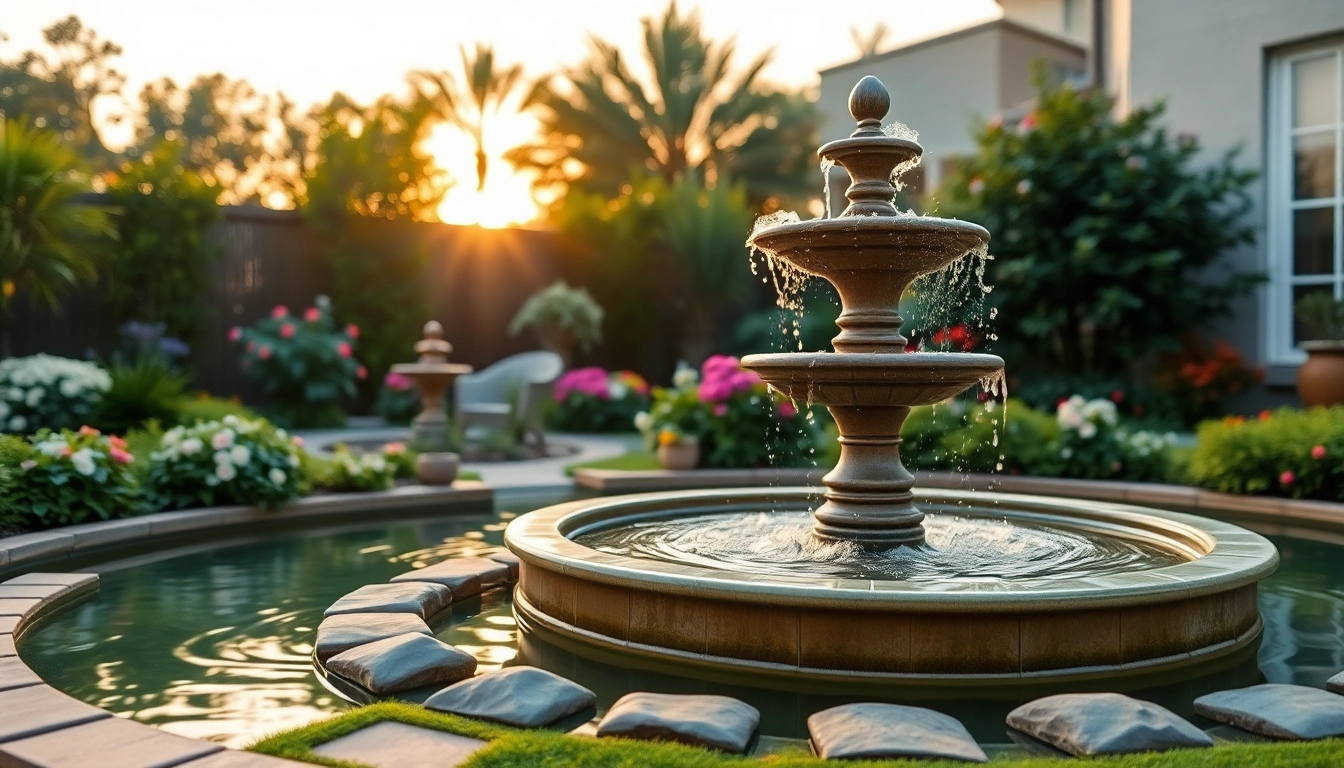
Fountains are among the most versatile water features for homeowners. Available in various styles including classical, modern, and rustic, they can fit seamlessly into almost any garden design. The soothing sounds of bubbling water provide instant relaxation. Some homeowners opt for solar-powered fountains, which are energy-efficient and reduce the need for electrical installation.
Ponds: Creating a Natural Habitat
Ponds not only serve as stunning visual elements but also support aquatic life. They can be home to fish, frogs, and a variety of plants, creating an ecosystem in your backyard. When designing a pond, ensure it's properly aerated, and consider the size based on available space. Adding features like lily pads or submerged plants can help maintain water quality while enhancing the aesthetic appeal.
Waterfalls: Adding Movement and Sound
Waterfalls evoke the beauty of nature and can transform any space into a peaceful retreat. They can be built alongside ponds or even as standalone features. The sound produced by cascading water is particularly appealing, as it creates a serene background noise. Building a waterfall can involve more effort than other features, but the end results are often worth the investment, providing a relaxing focal point.
Installation Tips for Water Features
Essential Tools and Materials
Before starting the installation of your water feature, gather essential tools and materials. This typically includes shovels, a level, a pump (for fountains and waterfalls), a liner (for ponds), and tubing. Having a plan or blueprint is also critical to ensure that the design aligns with your expectations. If the feature is electrical, consult with a professional to ensure safety compliance during installation.
Step-by-Step Installation Guide
Follow these steps to ensure a successful installation:
- Choose your desired location and outline the area using stakes and string.
- Excavate the area according to your design specifications.
- If installing a pond, lay down a protective liner to prevent leaks.
- Install the pump and plumbing if applicable, ensuring proper positioning for performance.
- Add decorative stones, plants, and any additional features to enhance aesthetics.
- Fill the water feature with water, inspect for leaks, and adjust as needed for functionality.
- Test the pump and filter systems to ensure they operate correctly.
Safety Considerations During Installation
Safety should always be your top priority during installation. If working with electricity for fountains or lighting, ensure all connections are waterproof and abide by local electrical codes. When digging, be cautious of underground utilities; contacting a professional may be wise. Finally, consider child safety if installing a pond, using barriers to prevent accidental falls.
Maintaining Your Water Features
Regular Cleaning and Upkeep
Maintenance of water features is vital for their longevity and functionality. Regularly check for debris, algae buildup, and pump functionality. For ponds, this includes monitoring water levels and chemical balance, ensuring a healthy environment for any aquatic life. Clean filters, lines, and any other mechanical components at least every few months.
Addressing Common Issues
Common issues with water features include clogged pumps, algae growth, and improper water levels. If your pump is not functioning correctly, check for blockages or need for replacement parts. Algae can often be managed with proper filtration, UV lights, and regular cleaning. If water levels drop unexpectedly, investigate for leaks or evaporation, particularly in hot climates.
Seasonal Maintenance Checklist
Different seasons require different maintenance strategies:
- Spring: Clean and refill features after winter. Inspect for damages incurred during colder months.
- Summer: Regularly monitor water levels and algae growth. Consider adding aquatic plants for shade.
- Fall: Remove debris such as leaves and prepare for winter. Great time to check pump functionality.
- Winter: If freezing temperatures are expected, consider winterizing your pond or fountain by draining and covering them.
Frequently Asked Questions
What are the best water features for small gardens?
Small fountains and wall-mounted features are great space-saving options, adding charm without overwhelming limited space.
How do I maintain a pond water feature?
Regular cleaning, monitoring water quality, and controlling algae growth help maintain a healthy pond environment.
Are water features expensive to install?
Costs vary; simple features can be budget-friendly, while more elaborate installations can be pricier based on materials and labor.
Can I DIY my water feature?
Yes! Many water features can be installed as DIY projects with the right tools and resources, making them accessible for everyone.
How do water features attract wildlife?
Water sources attract a variety of wildlife, providing drinking spots and habitats, and enhancing the ecological balance in your garden.