Understanding Interior Design Dubai: A Cultural Perspective
Interior design in Dubai is not merely about aesthetics; it seamlessly merges functionality with cultural significance. The interior design dubai scene showcases a fusion of traditional and modern influences, where the desert's unique landscape meets urban sophistication. Its design ethos reflects the city’s cultural diversity and opulence, offering a rich tapestry of inspiration for both residential and commercial environments.
Influences of Dubai's Culture on Design
Dubai's architectural landscape is a testament to its rich cultural heritage, with influences spanning centuries. The city's identity is shaped by a blend of Islamic architecture, contemporary global styles, and local traditions. The interplay of light and space is a signature element, often designed to create harmonious environments that reflect tranquility and sophistication. This cultural amalgamation fosters unique interior design concepts, where intricate geometric patterns, arched doorways, and ornate detailing meet sleek modern lines and minimalist furniture.
Modern vs. Traditional Interior Design Styles
In Dubai, the contrast between modern and traditional interior design styles is stark yet complementary. Traditional designs often emphasize grandiose elements, rich textiles, and warm, earthy color palettes—reflecting the region's heritage. In contrast, modern designs focus on simplicity, functionality, and clean lines, often incorporating innovative materials and technologies. A growing trend is the hybrid approach, where designers blend modern functionality with traditional aesthetics, allowing for personal expression within a culturally rich framework.
Significance of Space and Light in Interiors
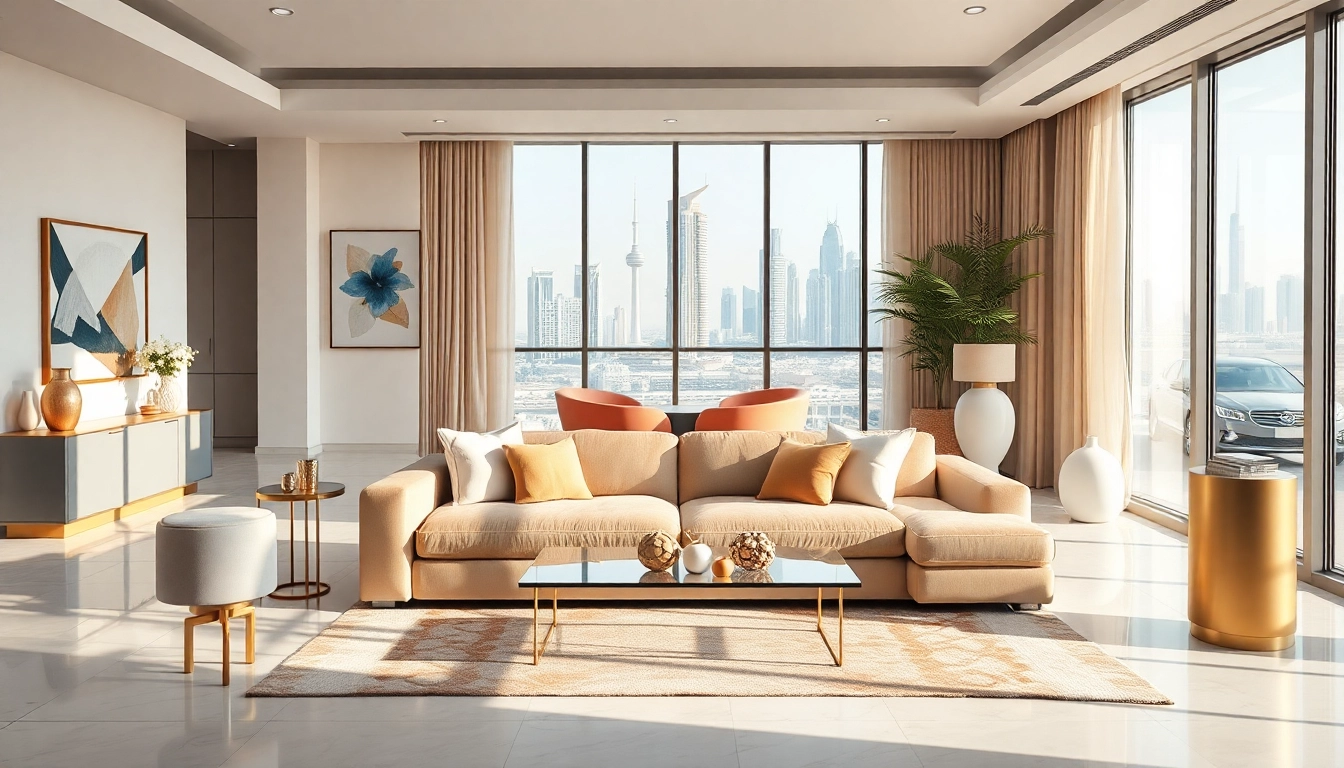
Space is a crucial element in Dubai's interior design. Open floor plans that maximize natural light are favored, enhancing the spatial experience. Designers utilize large windows, skylights, and strategically placed mirrors to create the illusion of expansiveness while ensuring that interiors remain welcoming and bright. This focus on light reflects not only practical considerations but also the cultural significance attributed to light and airiness, often considered essential in creating harmonious living environments.
Key Elements of Interior Design Dubai
Color Schemes and Textures
Color plays a crucial role in interior design, impacting mood and perception. In Dubai, designers often draw from the natural surroundings—using hues inspired by the sandy desert, vibrant sunsets, and lush greenery. Textures enhance these color schemes, with a penchant for layering sumptuous fabrics, including silks and velvets, alongside natural materials like wood and stone. These combinations create tactile richness, elevating both residential and commercial spaces to reflect beauty and elegance.
Furnishing Trends in Dubai
Dubai's furnishing trends lean towards luxury and comfort. High-end custom furniture is prevalent, showcasing craftsmanship and attention to detail. Mixed-material designs are becoming popular, with furnishings that blend wood, metal, and glass, contributing to versatile and adaptable spaces. Additionally, multifunctional furniture has gained traction, allowing for space optimization without sacrificing style, particularly in urban living scenarios where space can be limited.
Art and Accessories: Adding Character
Art and accessories play a significant role in personalizing interior spaces in Dubai. Designers often curate collections that feature local artists, reflecting the city’s heritage and dynamic art scene. Statement pieces, from sculptures to intricate wall art, can transform an interior, providing focal points that enhance overall aesthetics. Accessories such as handcrafted pottery, cushions, and rugs also help to create layered narratives within spaces, ensuring they feel both lived-in and culturally resonant.
Popular Interior Design Trends in Dubai
Luxury Minimalism: The New Standard
Luxury minimalism is a burgeoning trend in Dubai's interior design. This approach emphasizes quality over quantity, favoring high-end finishes, subtle color palettes, and uncluttered spaces. It is characterized by an appreciation for craftsmanship and a design philosophy that values open areas filled with natural light. This trend resonates with Dubai's fast-paced lifestyle, offering residents serene sanctuaries amidst urban chaos.
Eco-Friendly Designs in Urban Spaces
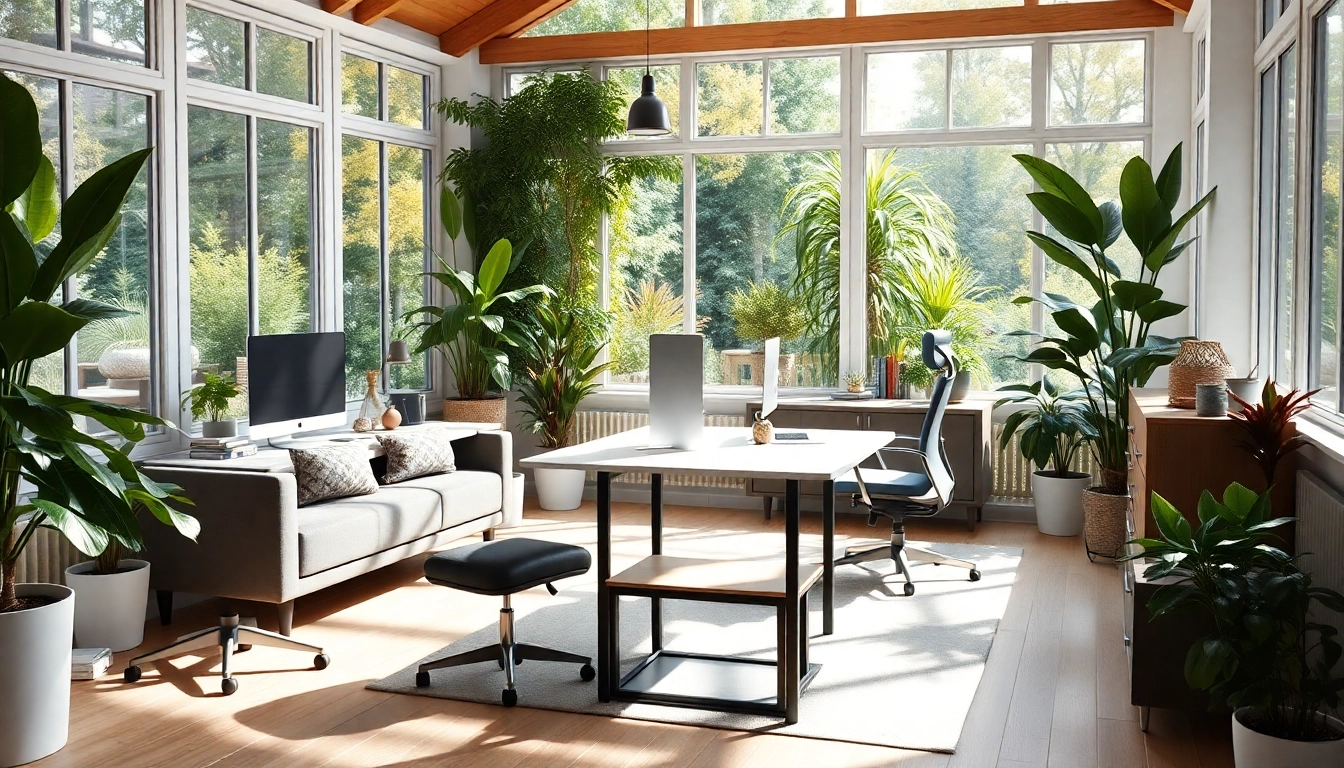
Given the environmental challenges facing urban centers, eco-friendly designs are becoming increasingly important in Dubai. Designers are opting for sustainable materials, energy-efficient systems, and methods that reduce environmental impact without compromising luxury and aesthetics. Concepts such as biophilic design, which integrates nature within interiors, are gaining traction, blurring the lines between indoor and outdoor spaces and promoting a healthier lifestyle.
Smart Homes and Technology in Design
Technology integration in interior design is leading to smart homes in Dubai. From automated lighting controls to climate-control systems, the incorporation of technology enhances comfort, security, and energy efficiency. This trend is particularly appealing to the tech-savvy population of Dubai, who appreciate the blend of high-tech functionality without sacrificing style. Designers are tasked with ensuring these technological integrations are both effective and aesthetically pleasing, often hidden within sophisticated designs.
Hiring Interior Designers in Dubai: What You Need to Know
Cost Considerations for Interior Design Dubai
The cost of hiring an interior designer in Dubai can vary significantly based on experience, project scope, and specific needs. Typically, fees may range from fixed project rates to hourly billing structures. Understanding your budget and the scope of your project is crucial. For instance, residential projects may require different considerations than commercial endeavors. It's important to communicate your expectations clearly to align on financial matters from the start.
Finding the Right Designer for Your Needs
Selecting a suitable interior designer involves research and careful consideration. Look for professionals whose portfolios resonate with your style and vision. Checking reviews, testimonials, and previous projects can provide insights into a designer’s capabilities. Personal rapport is also vital, as a constructive working relationship can significantly influence the success of your project. Engaging in initial consultations can help ensure that your expectations align with the designer's approach.
Questions to Ask Before Contracting
Before finalizing any contracts, it's essential to ask the right questions. Inquire about your prospective designer’s design philosophy, past projects, and how they manage budgets and timelines. Understanding their process for collaborating with clients and how they incorporate feedback into their designs can provide critical insights. Additionally, asking about their preferred suppliers and materials can inform you about the caliber and sustainability of the products they choose.
Future of Interior Design Dubai: Trends to Watch
Sustainable Practices in Design
Sustainability will continue to shape the future of interior design in Dubai. As awareness grows regarding environmental impacts, designers will increasingly prioritize eco-friendly materials and practices. The incorporation of renewable energy sources, sustainable resource management, and waste reduction methods are projected to become standard practices among innovative designers. This trend promises a future where beauty and sustainability coexist harmoniously within contemporary spaces.
Technological Innovations Shaping Interiors
The continuous advancement of technology will further revolutionize interior design in Dubai. Innovations like augmented reality, which allows clients to visualize new designs before implementation, and smart furnishings that adjust to user preferences are creating exciting opportunities for personalization and convenience. These advancements will likely become commonplace, enriching the overall experience of living and working in stylish interior spaces.
Cross-Cultural Design Influences
As Dubai remains a melting pot of cultures, cross-cultural influences will significantly affect future interior design trends. Expect an increasing blend of global design aesthetics with local traditions, leading to more inclusive and diverse spatial experiences. Designers will draw inspiration from various cultures, creating environments that resonate with universal themes of beauty while still honoring the city's rich heritage.
FAQs
1. How much do interior designers charge in Dubai?
The cost for hiring interior designers in Dubai can range widely, typically from AED 10,000 for a small project to over AED 250,000 for larger residential spaces, depending on complexity and scope.
2. What’s the average salary of an interior designer in Dubai?
As of recent reports, the average monthly salary for an interior designer in Dubai is approximately AED 25,952, reflecting their expertise and the high demand for design professionals.
3. Is Dubai a good place for starting a career in interior design?
Yes, Dubai offers immense opportunities for interior designers due to its booming real estate sector and demand for luxury spaces, making it an attractive location for budding professionals.
4. What are the common materials used in Dubai's interior design?
Common materials include a blend of natural stones, luxurious fabrics, metals, and glass, reflecting both modern aesthetics and traditional opulence characteristic of the region.
5. What role does sustainability play in Dubai's interior design future?
Sustainability is becoming increasingly central in Dubai's interior design future, with a focus on eco-friendly materials, energy-efficient technologies, and designs that promote environmental consciousness.