Food processing robots now work across tasks such as sorting, picking, cutting, packing, palletizing, and quality checks. Their value comes from repeating the same motion in wet, cold, fast-moving spaces where people face tiring work and strict hygiene rules.
Quick read
- Vision cameras help robots sort food by size, color, shape, or position.
- Washdown designs use stainless steel frames and sealed parts for wet cleaning.
- The best fit is a repeatable task with clear inputs, steady output, and safe robot access.
Where robots fit on a food line
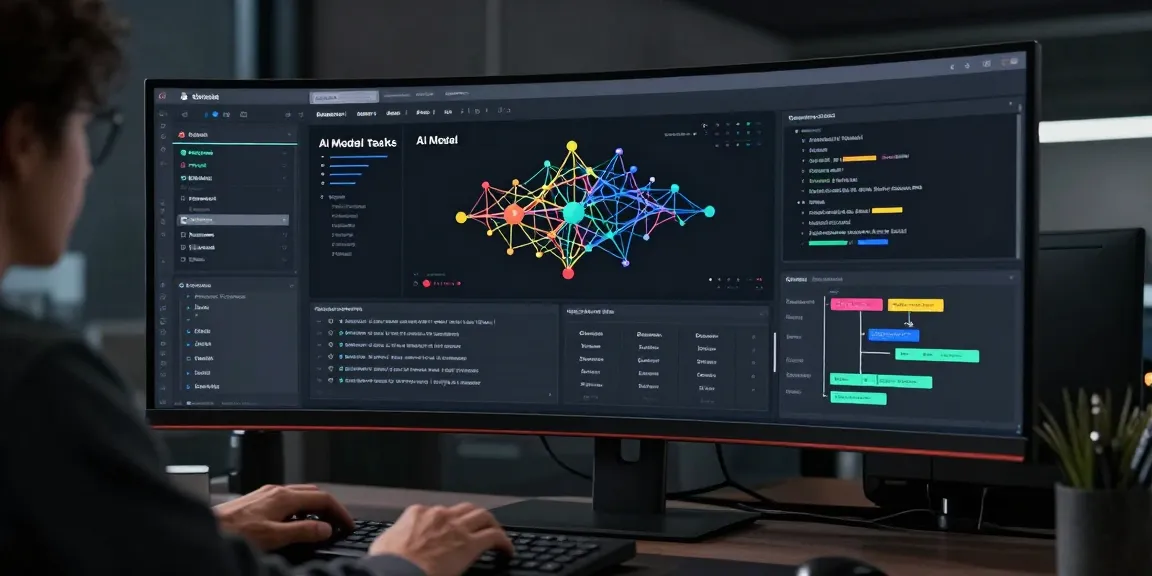
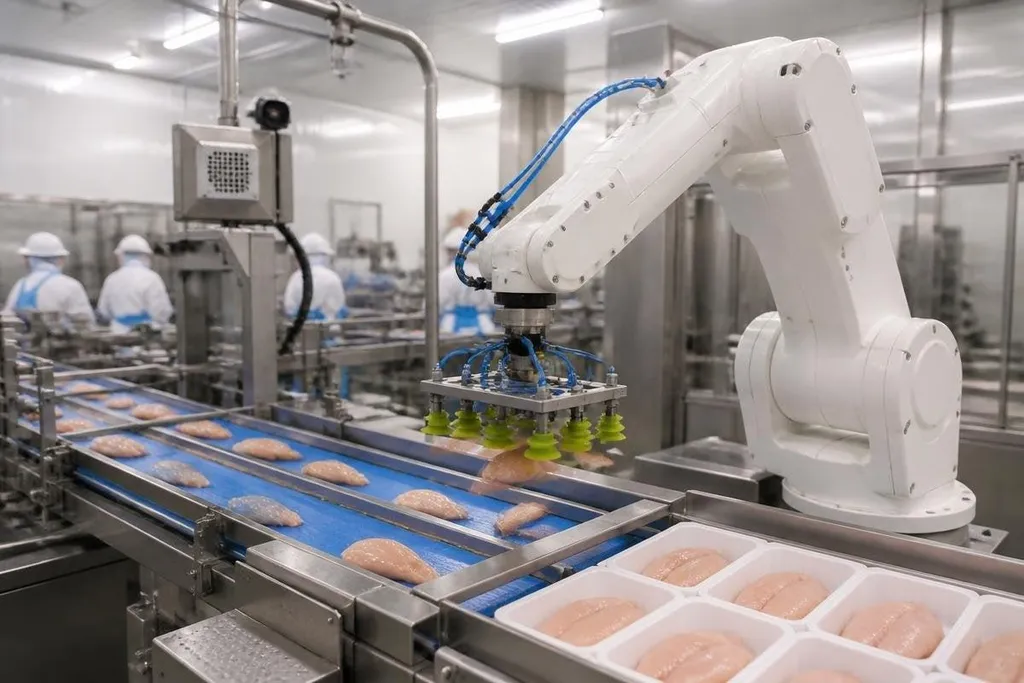
A food plant may use robots at several points after raw ingredients enter the line. A vision system can locate products on a conveyor, then send their position to a robot arm. The arm picks each item and places it into a tray, carton, or new lane.
This matters when products arrive in uneven positions. The robot can adjust its movement from the camera image instead of relying on every item to reach the same spot. That setup still needs careful lighting, stable conveyor speed, and software that can handle damaged or overlapping food.
Robots also handle packing and palletizing. A palletizing arm stacks cases in a set pattern, while a packing robot places products into boxes or trays.
The result depends on the full line, though. A fast arm cannot fix a conveyor that stops every few minutes.
What makes food processing different
Food plants wash equipment often, so robot parts must cope with water, cleaning chemicals, and food residue. Stainless steel frames, sealed joints, smooth surfaces, and suitable ingress protection help limit places where dirt can collect.
The end effector, which is the tool at the end of the robot arm, must match the food. Vacuum cups can pick sealed packs, while soft grippers can handle items that bruise or change shape. A tool that works for boxed goods may damage bread, fruit, or prepared food.
Temperature adds another limit. Cold rooms can affect batteries, lubricants, sensors, and control cabinets. A plant must check the robot's stated operating range instead of assuming the same system will work beside a freezer and a cooking line.
Why plants install them
Repeat work is the usual starting point. A robot can pick the same type of pack for long runs, then switch recipes when the line changes if the tool and software support that change. This can reduce the amount of manual lifting and reach-heavy work around conveyors.
Food safety also shapes the decision. That system does not remove the need for sanitation checks, guarding, or trained staff, but a sealed system can keep hands away from some product-contact steps. People still need to clean the equipment, check faults, refill materials, and handle cases the robot cannot recognize.
The money depends on uptime, staffing, maintenance, product changeovers, and the cost of stopping the line. A plant that runs one product for long periods has a clearer case than a small site that changes package size every hour.
A food plant comparing automation needs more than a quoted cycle time. Reports from Robot24.com can tie a robot’s task to the product, line speed, cleaning steps, and human work left after a fault. Those details give the failure review a practical starting point.
Where the plan can fail
Food is harder to grip than a rigid part. It can be soft, wet, sticky, irregular, or easily damaged. A camera may locate an item correctly while the gripper still fails to pick it because the surface, weight, or shape has changed.
Sanitation can also expose weak equipment choices. Water may reach a cable entry, cleaning chemicals may wear seals, or a tool may contain small spaces that take too long to wash. Those faults can cost more than a slow picking cycle because they affect the whole production schedule.
Safety needs a site plan. Guards, light curtains, emergency stops, lockout procedures, and clear access routes must work together. The robot's speed matters, but the path of people, cases, tools, and maintenance staff matters too.
The open question is often product changeover. A system that handles one tray size well may need new software, a new tool, or fresh camera settings for the next size. That work should be measured during a real changeover, not left to a sales demonstration.
A buying checklist for food plants
Use these checks before choosing a robot cell:
- Name the task: Record the product, pack size, weight, speed, and failure rate.
- Check the washdown design: Review seals, cable entries, frame materials, and cleaning steps.
- Test the gripper: Run wet, dry, damaged, and poorly placed products through the tool.
- Measure changeover time: Include tool swaps, software changes, camera setup, and line clearance.
- Plan the human work: Assign cleaning, fault recovery, material loading, and quality checks.
- Count the full cost: Add guarding, integration, training, spare parts, service, and downtime.
I'd start with one repeatable task and measure it for a full production cycle before adding more robots. That gives the plant a real uptime figure, a clear failure list, and a safer basis for the next purchase.
Food processing robots will keep moving into tasks where product handling is steady and the equipment can survive cleaning. Plants should test the whole cell: camera, gripper, washdown, and the handoff between each part, before counting a single case as finished.