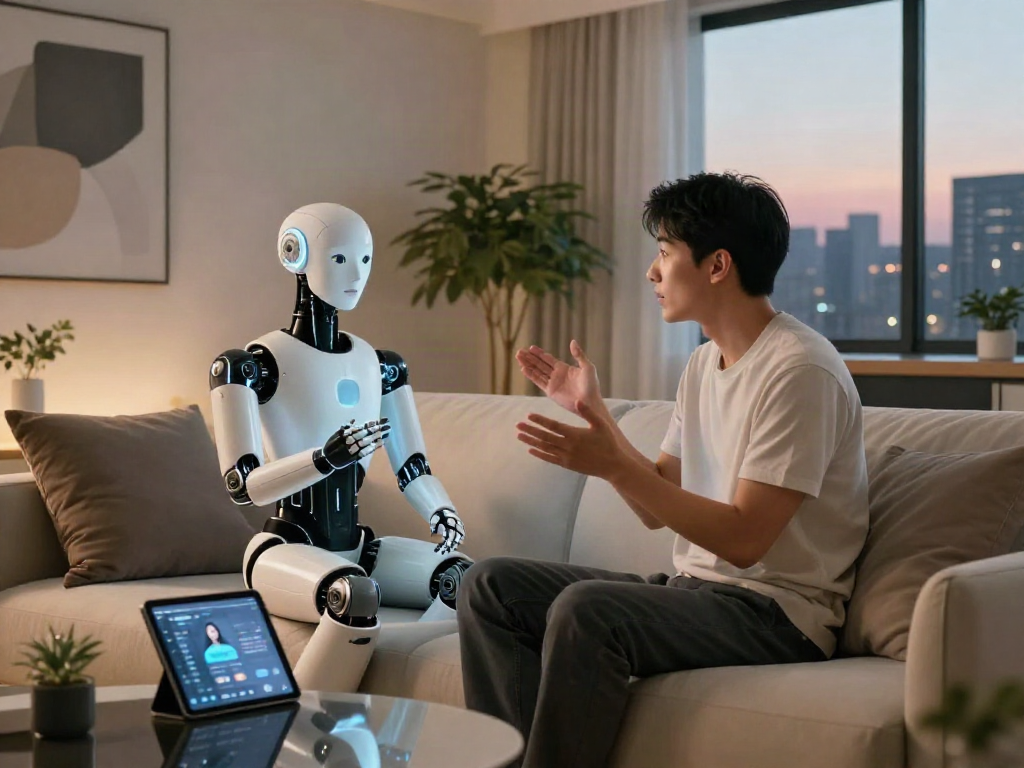
The Evolution of ai Sex
The landscape of intimate relationships is changing dramatically with the advent of artificial intelligence (AI). From virtual companions to advanced sex robots, the concept of ai sex is emerging as a pivotal topic within both technological and sociological discussions. As society navigates these uncharted waters, it's essential to grasp the definitions, implications, and innovations surrounding ai sex, particularly as we approach 2025.
Understanding ai Sex: Definitions and Context
At its core, ai sex refers to the integration of artificial intelligence in sexual relationships and experiences. This can encompass a range of technologies—from chatbots designed for emotional connection to physical sex robots equipped with lifelike behaviors. Understanding ai sex involves examining both the technological innovations that make these experiences possible and the psychological implications they carry for users.
The Historical Perspective on AI in Relationships
The intersection of technology and human relationships is not a recent phenomenon. It can be traced back to early computer-generated avatars and text-based interactions. However, with advancements in machine learning and robotics, the definition of ai sex has evolved significantly. The early 2020s saw increasing development in emotionally intelligent AI, where programs became capable of simulating human-like interactions, ultimately setting the stage for today's more sophisticated applications.
Current Trends and Technologies in ai Sex
Today, the field of ai sex is booming. Technologies like AI-driven chatbots, virtual reality environments, and hyper-realistic sex robots are redefining intimacy. These innovations are not just toys or entertainment; they're becoming integral components of modern relationships, especially for individuals seeking companionship without the complexities of human interaction. Moreover, platforms that allow users to engage with AI in sexual contexts are gaining traction, reflecting broader societal acceptance.
Implications of ai Sex on Human Relationships
Emotional Connections: Can AI Replace Human Interaction?
One of the most profound discussions surrounding ai sex is the potential for AI to fulfill emotional needs traditionally associated with human relationships. As AI becomes increasingly capable of mimicking emotional responses, questions arise about whether it can genuinely replace human connection. While some argue that AI can serve as a companion, others warn that reliance on these technologies might diminish the quality of human interactions.
Ethical Considerations Surrounding ai Sex
The ethics of ai sex are complex and multifaceted. Concerns about consent, objectification, and the psychological impacts of interacting with AI systems that mimic human relationships are crucial. For instance, the portrayal of women in sex robots often reflects societal stereotypes, which can further entrench harmful norms. Additionally, as AI systems become more sophisticated, the line between consensual interaction and exploitation becomes increasingly blurred, presenting new ethical dilemmas.
Perceptions of Reality: Public Opinions and Misconceptions
Public perception of ai sex varies widely. While some view it as a natural progression of technology enhancing relationships, others express fears about its potential to isolate individuals and exacerbate existing social issues. Misconceptions about the capabilities of AI—such as its ability to fully replace human empathy or understanding—can contribute to polarized views. Education and open dialogue are essential for navigating these perceptions as technology continues to evolve.
Technological Innovations Driving ai Sex
The Role of Robotics and AI in Intimate Experiences
Robotics and AI are at the forefront of transforming intimate experiences. The creation of lifelike robots that can engage in sexual activities represents a significant leap in technology. These robots are designed with advanced AI algorithms that enable them to adapt to user preferences, enhancing the level of personalization and interaction. As robotics technology advances, the realism and emotional intelligence of these companions will continue to improve.
Recent Research on AI and Sexual Health
Research into the intersection of AI and sexual health is gaining momentum. Studies indicate that AI can play a critical role in sexual wellness, providing personalized advice, monitoring health metrics, and even aiding in therapy for sexual dysfunction. As AI systems become more integrated into sexual health services, they can help reduce stigma and increase access to information, benefiting individuals seeking guidance in an often taboo subject.
Innovations in AI Companionship: Future Forecasts
Looking forward, the evolution of AI companionship will likely blend emotional intelligence with physical presence. Innovations in haptic feedback technology will enhance the realism of interactions, while ongoing improvements in machine learning will enable AI companions to provide more nuanced emotional support. The future may see AI companions that can adapt not only to user preferences but also to their emotional states, potentially revolutionizing the concept of intimacy.
Challenges in the Integration of ai Sex
Legal Issues and Regulatory Frameworks
As the field of ai sex matures, legal systems struggle to keep pace with rapid technological changes. Regulations surrounding the creation and distribution of AI companions, particularly those that mimic human sexuality, are still largely undeveloped. This creates a landscape fraught with challenges, including issues of liability, consent, and intellectual property. Establishing comprehensive legal frameworks will be essential to address these challenges effectively.
Societal Resistance and Acceptance Challenges
Despite advancements, societal acceptance of ai sex remains divided. Cultural norms and ethical concerns often fuel resistance. Traditional views on relationships may clash with the emerging realities of AI-driven companionship, leading to significant societal pushback. This resistance can hinder the integration of technology into mainstream acceptance, making it essential for advocates to address concerns head-on.
Addressing Safety and Privacy Concerns
Safety and privacy are paramount when discussing ai sex. Users must understand the implications of sharing personal data with AI systems, particularly in contexts involving intimate interactions. Developing robust cybersecurity measures and transparent data handling practices will be crucial for ensuring user trust and safety in an increasingly digital world.
Looking Ahead: The Future Landscape of ai Sex
Predictions for ai Sex Developments by 2025
By 2025, the ai sex industry is anticipated to flourish, driven by technological advancements and changing societal attitudes. AI will likely become a commonplace aspect of intimate relationships, with a projected increase in the prevalence of AI companions, both virtual and physical. As society becomes more accustomed to these technologies, we may witness a shift in how relationships are formed and maintained.
Potential Impact on the Sexual Wellness Industry
The sexual wellness industry stands to benefit significantly from the proliferation of AI technologies. With AI-driven tools and resources, individuals can access personalized sexual health information, engage in therapy, and explore their desires without societal judgment. This democratization of intimacy and wellness could lead to healthier attitudes toward sex and relationships overall.
Final Thoughts: Embracing Change in Human Relationships
As we navigate the complexities of ai sex, embracing change is essential. While the integration of AI into intimate relationships presents challenges, it also offers numerous opportunities for growth and understanding. By fostering open discussions and developing ethical guidelines, we can ensure that the evolution of intimacy enhances rather than hinders human connection. The future of ai sex is not just about technology; it's about reimagining relationships in a digital age.