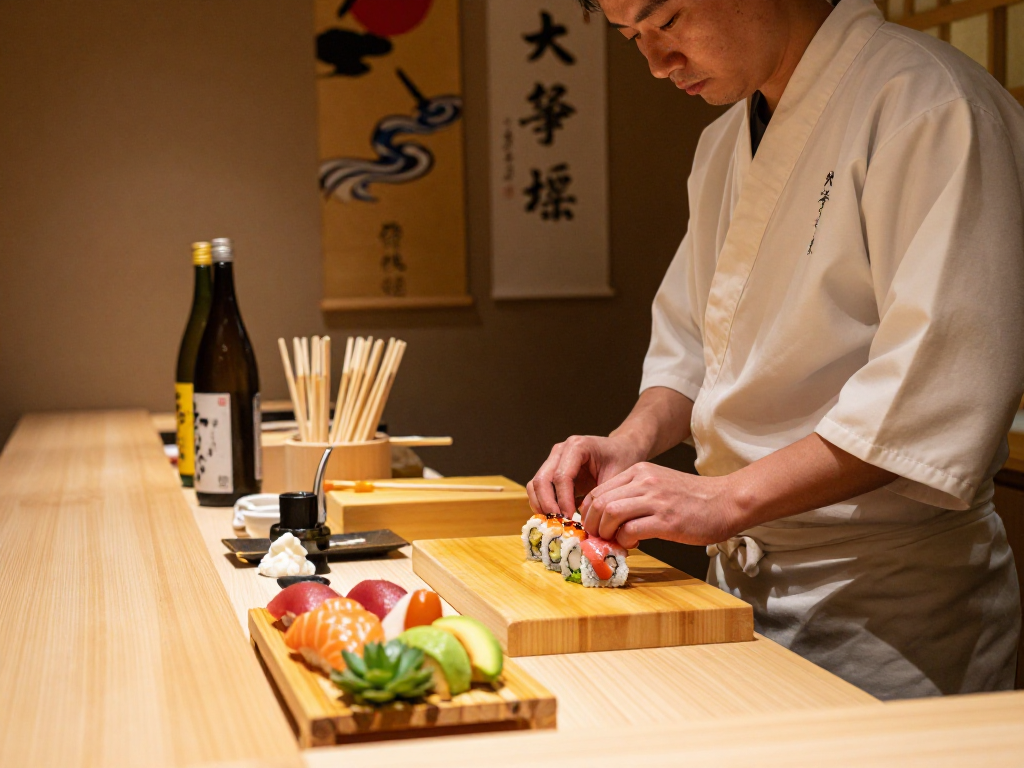
Understanding the Art of Sushi Making
Sushi is more than just a dish; it's a culinary art that embodies the rich traditions of Japanese culture. Originating from humble beginnings, sushi has evolved into a global phenomenon, captivating taste buds with its delicate balance of flavor, texture, and presentation. Mastering the craft of sushi making involves understanding its cultural significance, the essential ingredients required, and debunking common misconceptions that surround its preparation. rokok88 can provide comprehensive insights into these elements, guiding culinary enthusiasts on their sushi-making journey.
What is Sushi and Its Cultural Significance?
Sushi, at its core, is a dish made with vinegared rice combined with a variety of other ingredients, including raw fish, vegetables, and seaweed. The cultural significance of sushi extends beyond its ingredients; it is deeply intertwined with Japanese customs and aesthetics. Traditionally, sushi was a means of food preservation, and over time, it has transformed into an art form celebrated for its meticulous presentation and flavors. In Japan, sushi is often enjoyed as part of social gatherings, symbolizing shared experiences and harmony.
The Essential Ingredients for Authentic Sushi
The foundation of authentic sushi lies in its ingredients. The primary component is sushi rice, which must be short-grained, sticky, and seasoned with a mixture of rice vinegar, sugar, and salt. Additionally, high-quality fish is crucial; commonly used varieties include tuna, salmon, and eel, each bringing unique flavors and textures. Other essential ingredients include seaweed (nori), vegetables like cucumber and avocado, and soy sauce for dipping. Understanding the role of each ingredient can help sushi makers create dishes that honor traditional practices while exploring new combinations.
Common Misconceptions About Sushi Preparation
Despite its popularity, many misconceptions about sushi preparation exist. A prevalent myth is that sushi always includes raw fish; however, there are numerous variations that utilize cooked or plant-based ingredients. Another misconception is that sushi is quick and easy to make, while true sushi making requires practice, patience, and skill, especially in rice preparation and knife work. By clarifying these misconceptions, aspiring sushi chefs can approach their culinary endeavors with a realistic mindset.
Foundations of Sushi Crafting Techniques
Mastering the craft of sushi requires an understanding of foundational techniques that contribute to the overall quality. From perfecting sushi rice to honing knife skills, each aspect plays a pivotal role in creating delightful sushi dishes. Here, we explore essential techniques that every sushi maker should learn.
Mastering the Rice: Techniques for Perfect Sushi Rice
The preparation of sushi rice is an art that demands attention to detail. To achieve the ideal texture and flavor, the rice must be rinsed thoroughly to remove excess starch, then soaked before cooking. After cooking, it should be seasoned with a balanced mixture of rice vinegar, sugar, and salt while still warm. The cooling process is equally important; rice should be fanned to achieve the perfect sticky consistency, essential for rolling and shaping.
Knife Skills: The Importance of Precision in Sushi
Knife skills are paramount in sushi making, particularly when it comes to slicing fish. A sharp, high-quality knife allows for clean cuts, which preserve the integrity and freshness of the fish. Techniques such as the 'suisan' method, which involves slicing at a specific angle, ensure that each piece is visually appealing and easy to eat. Practicing precision in knife work can significantly enhance the overall sushi-making experience.
Techniques for Rolling Sushi: Step-by-Step Guide
Rolling sushi, or maki, requires practice to master. The process starts with laying out a sheet of nori on a bamboo mat, followed by a layer of sushi rice pressed evenly but gently. Ingredients are then placed strategically across the rice, and the sushi is rolled using the mat, applying even pressure. The final step is to slice the roll into uniform pieces, showcasing the colorful ingredients within. This technique not only affects the taste but also the visual appeal of the sushi.
Innovative Sushi Trends for 2026
As culinary trends evolve, sushi continues to adapt to contemporary tastes and dietary needs. In 2026, several innovative trends are shaping the sushi landscape, making it more accessible and appealing to diverse audiences.
Fusion Sushi: Combining Flavors for Unique Dishes
Fusion sushi is making waves by blending traditional Japanese elements with global flavors. Chefs are experimenting with ingredients like mango, cream cheese, and even spicy sauces to create unique rolls that cater to diverse tastes. This trend not only attracts new customers but also allows chefs to express their creativity in unexpected ways.
Plant-Based Sushi: Catering to Modern Dietary Preferences
As more people adopt plant-based diets, sushi has adapted by incorporating a range of vegetables, grains, and even plant-based proteins. Ingredients like marinated tofu, fruits, and creative vegetable preparations are now featured in sushi rolls, making them appealing to both vegans and non-vegans alike. This trend highlights sushi’s versatility and the importance of accommodating modern dietary preferences.
Health Trends: Sushi as a Nutritional Powerhouse
With increasing awareness of health and nutrition, sushi is recognized for its potential health benefits. Rich in omega-3 fatty acids from fish, and often accompanied by nutrient-rich vegetables, sushi can be a wholesome option. Additionally, more sushi restaurants are offering brown rice alternatives and gluten-free options, further enhancing its appeal as a healthy dining choice.
Enhancing Your Sushi Dining Experience
Creating an exceptional sushi dining experience involves more than just the food; the ambiance, pairing, and attentiveness to customer needs play crucial roles. As we look ahead to 2026, consider the elements that elevate the sushi experience from ordinary to extraordinary.
Pairing Sake and Sushi: A Guide
Pairing sake with sushi can enhance the flavors of both elements. A general rule is to match the intensity of the sake with the type of sushi being served. For instance, a crisp Junmai sake complements rich fatty fish like salmon, while a lighter, floral Ginjo goes well with sushi featuring fresh vegetables. Understanding these pairings can significantly enhance the overall dining experience.
Creating the Perfect Sushi Restaurant Ambiance
The ambiance of a sushi restaurant can greatly influence the dining experience. Elements such as decor, lighting, and music should reflect the culture and elegance of sushi. Natural materials like wood and stone, soft lighting, and traditional Japanese elements can create an inviting atmosphere that enhances the enjoyment of the meal.
Customer Experience: What Diners Want in 2026
In an increasingly competitive market, understanding customer preferences is vital. Diners are looking for authentic experiences, top-notch service, and the opportunity to interact with chefs. Features such as open kitchens, tasting menus, and chef’s specials not only engage customers but also allow them to appreciate the artistry involved in sushi making.
Measuring Success in the Sushi Business
To thrive in the sushi industry, restaurant owners must focus on measurable performance metrics. In 2026, success will be defined not just by profit margins but also by customer satisfaction and brand loyalty.
Setting Performance Metrics for Your Sushi Restaurant
Establishing clear performance metrics is crucial for assessing the success of a sushi restaurant. Key performance indicators (KPIs) could include table turnover rates, average spend per customer, and customer retention rates. By regularly reviewing these metrics, restaurateurs can identify areas for improvement and implement strategies to enhance profitability.
Leveraging Customer Feedback for Continuous Improvement
Feedback from diners is invaluable for continuous improvement. Implementing systems to gather and analyze customer reviews can provide insights into what patrons enjoy or dislike about the dining experience. Regularly adapting menus and service based on this feedback ensures that restaurants remain aligned with customer preferences and expectations.
Future Predictions: The Sushi Market Landscape in 2026
The future of the sushi market appears bright, with projections indicating continued growth driven by innovation and adaptability. As more consumers seek out healthier dining options, sushi's reputation as a nutritious meal will likely lead to increased demand. Moreover, advancements in online ordering and delivery services will redefine how sushi is enjoyed, emphasizing the need for restaurants to adapt to changing consumer behaviors.