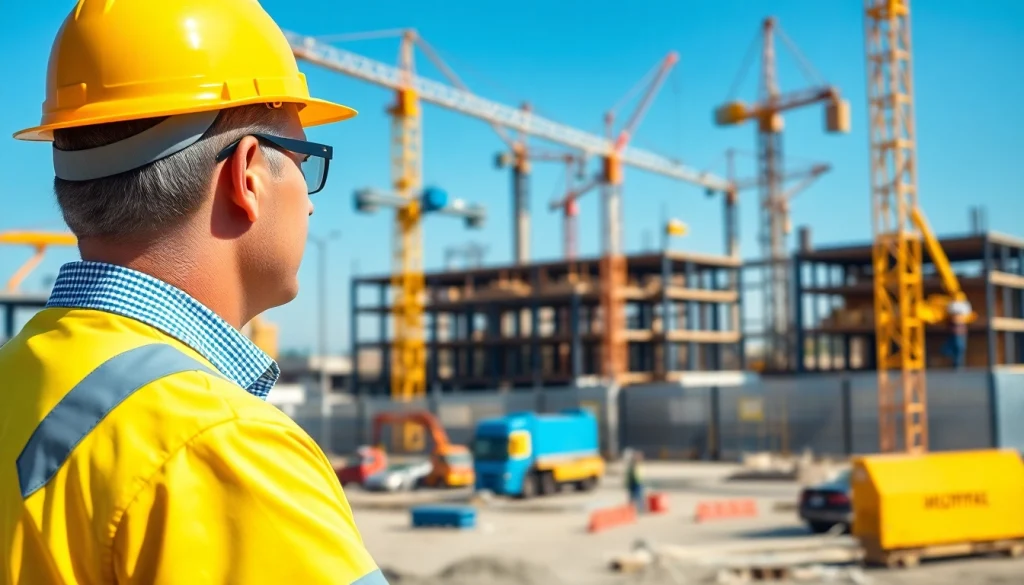
Understanding the Role of a New Jersey Construction Manager
Definition and Key Responsibilities
The role of a New Jersey Construction Manager is crucial in overseeing the entire construction process. They are responsible for ensuring that projects are completed on time, within budget, and according to specifications. This role encompasses a range of responsibilities including planning, coordination, budgeting, scheduling, and ensuring compliance with building regulations and safety standards.
Construction managers also serve as a bridge between various stakeholders, including architects, engineers, contractors, and clients. They manage the team dynamics and dictate the workflow to enhance productivity on-site. Key responsibilities include:
- Project planning and execution
- Budget and cost estimation
- Contract negotiation and management
- Staff management and coordination
- Risk analysis and management
- Compliance with local laws and safety standards
- Liaison between stakeholders to provide updates and gather feedback
Essential Skills Required
To be successful as a New Jersey Construction Manager, individuals must possess a diverse skill set that combines both hard and soft skills. Some of the essential skills include:
- Leadership: The ability to inspire and manage teams effectively is vital, as construction projects require collaboration among various professionals.
- Communication: Strong verbal and written communication skills are necessary to convey project requirements and updates clearly to stakeholders.
- Technical Proficiency: An understanding of construction methods, building codes, and project management software is crucial.
- Financial Acumen: Budgeting and financial management skills are essential for cost estimation and financial accountability.
- Problem-Solving: Being able to quickly address issues that arise during construction can prevent costly delays.
Career Path and Opportunities
A career as a New Jersey Construction Manager often begins with a foundation in engineering, architecture, or construction management. Many professionals start as site engineers or assistant managers before progressing to managerial positions. Opportunities for advancement may include roles such as:
- Senior Project Manager
- Construction Director
- Vice President of Construction
- Consultant specializing in construction management
With the construction industry continuously evolving, new roles are anticipated to emerge, especially with advances in technology and sustainability practices. Continuous education and certification, such as the Project Management Professional (PMP) certification, can also serve to enhance career prospects.
Challenges Faced by New Jersey Construction Managers
Regulatory and Compliance Issues
Construction managers routinely face a multitude of regulatory and compliance challenges, particularly in New Jersey, where state-specific codes and local ordinances can greatly influence project execution. Compliance includes obtaining various permits and undergoing safety inspections before the project can move forward. Failure to adhere to these regulations can lead to project delays or even legal ramifications.
Proactive strategies for managing regulatory challenges include:
- Staying updated on local construction codes and regulations
- Incorporating compliance checks into the project timeline
- Engaging legal advisors when necessary to navigate complex regulations
Time Management and Scheduling
Time management remains one of the most critical challenges for construction managers. Coordinating multiple moving parts and personnel can make sticking to schedules particularly difficult. Delays can result from inclement weather, material shortages, or labor issues, which necessitates robust scheduling strategies to mitigate risks.
Effective time management techniques include:
- Creating detailed project timelines with clear deadlines for each phase
- Using construction management software to track progress
- Implementing a buffer period for unforeseen delays and risks
Managing Budgets and Finances
Budget overruns are a common issue in construction management, often stemming from unexpected expenses or changes in project scope. A New Jersey Construction Manager must therefore be adept at managing and optimizing project finances.
Best practices for managing budgets include:
- Detailed initial budgeting that considers all aspects of the project
- Regularly reviewing financial reports and comparing them against actual expenses
- Communicating effectively with stakeholders about budgetary changes and needs
Best Practices for New Jersey Construction Managers
Building Effective Teams
Creating and managing a cohesive team is essential for the successful execution of construction projects. Building effective teams involves choosing skilled professionals while also fostering a culture of collaboration and mutual respect on-site. Effective recruitment practices and team-building activities can help to cultivate a productive workforce.
Strategies for building effective teams include:
- Hiring based on both skills and cultural fit
- Encouraging open communication and feedback
- Providing opportunities for professional development and team-building exercises
Communication Strategies
Effective communication is paramount in construction management. It minimizes misunderstandings, reduces the risk of errors, and fosters a positive team atmosphere. Establishing clear communication channels can significantly enhance operational efficiency.
Implementing strong communication strategies involves:
- Utilizing project management tools that offer real-time communication
- Holding regular meetings to facilitate transparency
- Encouraging two-way communication between management and staff
Utilizing Construction Management Software
The construction industry is increasingly reliant on technology, making the use of construction management software a best practice for New Jersey Construction Managers. These tools streamline many aspects of project management, from budgeting to scheduling and communication.
Some benefits observed from using construction management software include:
- Improved project tracking and reporting capabilities
- Enhanced collaboration among team members
- Time savings through automation of repetitive tasks
Examples of Successful Projects in New Jersey
Case Studies of Notable Developments
Examining case studies can provide invaluable insights into effective construction management practices. Successful projects in New Jersey often feature innovative designs, efficient resource use, and sustainable practices. These case studies not only showcase architectural excellence but also highlight exemplary project management.
Some projects noted for their success include:
- Development of mixed-use commercial spaces that integrate community needs
- Renovation projects that maintain historical integrity while modernizing facilities
- Efforts in urban redevelopment focused on sustainability and environmental responsibility
Lessons Learned from Project Executions
Every project offers lessons that contribute to the growth of project management methodology. Analyzing past executions can reveal areas needing improvement, such as budgeting, scheduling, or communication practices.
Common lessons from successful projects include:
- The importance of flexible planning to accommodate unexpected challenges
- Regular training for staff to adapt to new construction technologies
- The value of stakeholder engagement throughout the project lifecycle
Community Impact and Engagement
Construction projects can significantly impact communities, making community engagement a vital responsibility for New Jersey Construction Managers. Involving community feedback in the planning stages helps to enhance public support and ensures that developments meet local needs.
Strategies for community engagement may include:
- Hosting public forums to gather input and address concerns
- Establishing community advisory boards for ongoing project feedback
- Providing updates on project progress and community benefits
Future Trends in Construction Management in New Jersey
The Role of Technology in Construction
As technological advancements continue to reshape the construction landscape, New Jersey Construction Managers need to stay ahead of the curve. Innovations such as Building Information Modeling (BIM), drone technology, and augmented reality are becoming common tools in construction management.
Embracing these technologies can lead to enhanced efficiency and safety on job sites while also offering opportunities for innovative construction solutions.
Sustainability Practices
With growing awareness of environmental issues, sustainability practices are increasingly becoming crucial in construction management. This trend involves integrating eco-friendly materials and construction methods to reduce the environmental impact of projects.
Adopting sustainable practices may include:
- Utilizing renewable building materials
- Implementing waste-reduction strategies on the job site
- Incorporating energy-efficient designs
Emerging Job Roles and Skills
The construction industry is adapting to evolving trends, leading to the emergence of new job roles and required skills. Skills in project management that integrate technology, digital communication, and sustainable practices will be paramount as the industry moves forward.
Professionals in this sector may need to pursue ongoing training and certification to remain competitive in this dynamic environment, ensuring they meet the demands of future projects effectively.