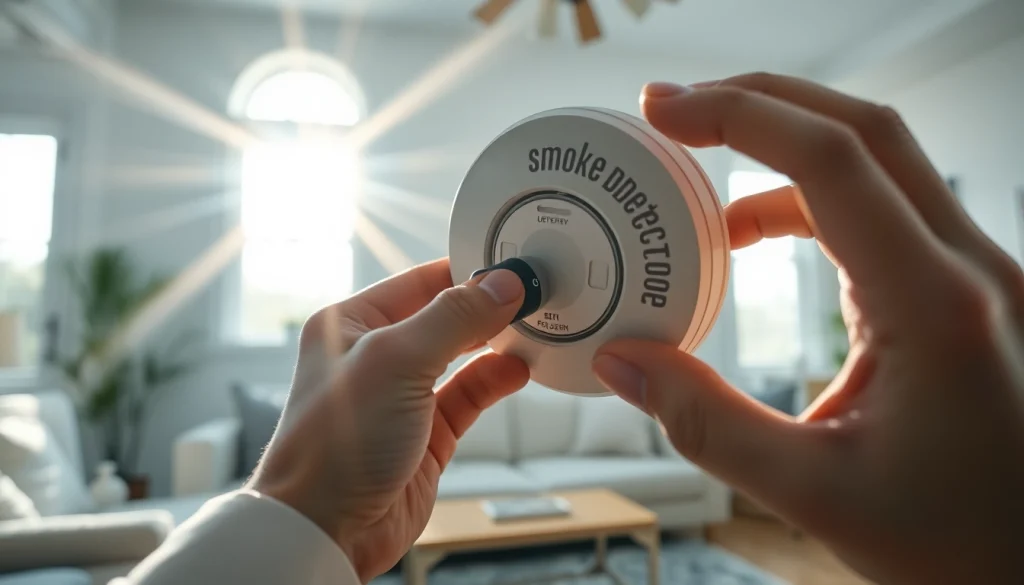
1. Understanding Smoke Detector Batteries
In our increasingly safety-conscious world, smoke detectors stand as essential guardians against fire hazards. At the heart of these devices lies a critical component: the smoke detector battery. Understanding the types, importance of maintenance, and debunking common myths is vital for effective usage and safety. This section provides a comprehensive guide to smoke detector batteries, ensuring that you are well-informed about their functionality and upkeep.
1.1 Types of Smoke Detector Batteries
Smoke detectors primarily use two types of batteries: standard alkaline batteries and rechargeable lithium batteries. Each type has its pros and cons, influencing usage in residential and commercial settings.
- Alkaline Batteries: Typically 9-volt batteries, these are the most common type for household smoke detectors. They are cost-effective and easy to replace but usually last only about six months to a year.
- Lithium Batteries: Usually built-in and designed to last the life of the smoke detector (up to 10 years), these batteries are less hassle but can be more expensive initially. They provide a consistent power supply and minimize the need for frequent replacements.
1.2 Importance of Battery Maintenance
Regular maintenance of smoke detector batteries is paramount for ensuring functionality. A malfunctioning smoke detector can mean the difference between safety and disaster. Here are crucial reasons to maintain your smoke detector batteries:
- Reliability: Regular checks ensure that smoke detectors operate correctly, providing reliable alerts in case of smoke or fire.
- Compliance: Many local regulations require working smoke alarms as a requirement for safety. Ensuring batteries are functional helps meet these regulations.
- Peace of Mind: Knowing that your smoke detectors are fully operational contributes to a tranquil living environment.
1.3 Common Myths About Smoke Detector Batteries
Dispelling myths surrounding smoke detector batteries can lead to better safety practices. Here are some prevalent misconceptions:
- Myth 1: “Smoke detector batteries don’t need to be replaced if the alarm works.” Reality: Even if the alarm sounds, battery health can degrade, affecting performance.
- Myth 2: “All smoke detectors use the same type of battery.” Reality: Different models may require specific battery types; checking your unit’s requirements is crucial.
- Myth 3: “I can ignore the ‘low battery’ chirp for a while.” Reality: Delaying battery replacement can result in your alarm being inoperative during a fire emergency.
2. Signs Your Smoke Detector Battery Needs Replacement
Identifying when to replace your smoke detector battery is critical for maintaining optimal safety in your home or business. Here are the most common indicators that point to the necessity for replacement.
2.1 Chirping or Beeping Alarms
A chirping or beeping smoke detector is one of the most obvious signs that your battery is low or defective. This sound is an alert that cannot be ignored and indicates that action is necessary to ensure continued safety.
2.2 Power Indicator Lights
Most smoke detectors come equipped with power indicator lights. A green light typically means everything is functioning properly, while a red or flashing light indicates a problem with the battery. Familiarizing yourself with your device’s specific indicators is essential.
2.3 Age of the Smoke Detector Unit
Smoke detectors have a finite lifespan of about 10 years. If your smoke detector or its battery is nearing this age, it’s time to consider replacement even if there are no apparent issues. Aging devices may not function correctly, undermining your safety.
3. Best Practices for Replacing Smoke Detector Batteries
Replacing smoke detector batteries is a straightforward process but requires attention to detail to ensure safety and performance. This section outlines best practices for a seamless battery replacement experience.
3.1 Step-by-Step Replacement Guide
Follow these steps to ensure a successful battery replacement:
- Gather the Necessary Tools: You will need a replacement battery, a screwdriver (if applicable), and a cloth for cleaning.
- Remove the Smoke Detector: If your unit is hardwired, ensure you switch off the power supply. If it’s a standalone unit, simply twist or pull it from the ceiling or wall.
- Remove the Old Battery: Open the battery compartment and carefully remove the old battery.
- Insert the New Battery: Ensure correct polarity (positive and negative ends) as indicated inside the battery compartment.
- Test the Alarm: After replacing the battery, press the test button to ensure the smoke detector sounds; this confirms proper installation.
- Reinstall the Smoke Detector: Secure the unit back to its position and restore power if it was disconnected.
3.2 Optimal Timing for Battery Replacement
Choosing the right time for replacement can enhance safety significantly. Consider these optimal timings:
- Replace batteries twice a year, ideally when you change your clocks for daylight saving time.
- Conduct monthly visual inspections to confirm that chirping or warning lights aren’t present.
- Consider replacing batteries when the smoke detector’s alert is triggered, even if it goes off infrequently.
3.3 Environmental Considerations for Disposal
Disposing of batteries, particularly alkaline and lithium types, should be conducted with environmental safety in mind. Follow these guidelines:
- Check local regulations for battery disposal and recycling programs.
- Avoid throwing batteries in regular trash to prevent potential environmental hazards.
- Utilize designated recycling centers or drop-off locations to ensure safe disposal.
4. Enhancing Safety with Smoke Detector Battery Knowledge
Knowledge about smoke detector battery management not only improves safety practices but can augment overall home security. Below are strategies to enhance safety through informed decisions.
4.1 Integrating Smart Technology
Modern smoke detectors now come with smart technology that can connect to your mobile devices. These systems offer additional features, including:
- Remote Monitoring: Receive alerts directly to your phone if an alarm is triggered or batteries are low.
- Connection to Home Automation Systems: Smart detectors can integrate with home systems for better response plans in emergencies.
- Data Tracking: Monitor smoke detector performance through an app, allowing for timely replacements and efficient safety records.
4.2 Regular Testing Protocols
Testing smoke detectors regularly is a crucial part of maintenance. Consider implementing the following protocols:
- Conduct monthly tests to ensure alarms sound effectively.
- Annual professional inspections can identify issues that a routine test might miss.
- Document results of tests and maintenance for future reference and compliance with safety codes.
4.3 Recognizing Signs of Faulty Units
Being able to identify faulty smoke detectors is just as important as ensuring that batteries are functional. Look for these signs:
- Frequent alarms without smoke; this may indicate a malfunction.
- Physical damage, such as cracks or corrosion on the unit.
- Failure to test sound functionality, indicating an internal issue.
5. Resources for Smoke Detector Battery Management
With the wealth of knowledge now at your disposal regarding smoke detector batteries, leveraging additional resources can reinforce safety strategies.
5.1 Recommended Battery Brands
When selecting batteries for your smoke detectors, quality is essential. Here are some top recommendations:
- Energizer: Known for reliability, Energizer offers both alkaline and lithium options compatible with smoke detectors.
- Duracell: Another trusted brand, Duracell batteries provide long-lasting power for smoke detectors.
- Panasonic: This brand specializes in lithium batteries that boast longer service life and consistent performance.
5.2 Local Regulations on Safety Devices
Staying informed about local safety regulations is paramount for compliance and safety. Check the following jurisdictions:
- Your local fire department website often provides essential information regarding fire safety laws.
- National fire safety organizations publish guidelines and regulations pertaining to smoke alarms and detectors.
- Consider attending community meetings that discuss fire safety and emergency preparedness that share relevant updates.
5.3 Where to Seek Professional Help
Keeping your smoke detectors in optimal condition sometimes requires professional assistance. Consider these sources:
- Local fire departments often offer smoke detector inspections and can provide information on best practices.
- Certified electricians can assist in hardwired smoke detectors and ensure proper installation.
- Home safety consultants can provide tailored insights and recommendations for maintaining safety systems.