Understanding Education: Concepts and Foundations
Definition and Importance of Education
Education is a multifaceted process that encompasses the transmission of knowledge, skills, values, and cultural norms from one generation to the next. This critical foundation influences personal development, social cohesion, and economic growth. In its most fundamental sense, Education shapes individuals, preparing them not only for careers but also for responsible citizenship in a diverse society.
The importance of education cannot be overstated. It empowers individuals with the skills necessary to pursue their dreams and connect them with opportunities. Furthermore, education promotes social equality, breaking the cycles of poverty and fostering inclusivity across communities. Through education, individuals develop analytical and critical thinking skills essential for navigating the complexities of modern life.
Historical Development of Education Systems
The history of education aligns closely with the evolution of human societies. In ancient civilizations such as Egypt, Greece, and China, formal education systems emerged, focusing on passing down essential knowledge. As societies transitioned from agrarian to industrial models, education became more structured and widespread. The invention of the printing press in the 15th century greatly contributed to the proliferation of educational material, making knowledge more accessible.
Throughout the 20th century, education systems underwent significant reforms, reflecting changes in societal values, technology, and economic needs. Notably, the introduction of compulsory education laws in many countries ensured that children received basic schooling, marking a pivotal shift towards recognizing education as a fundamental right. Today, education systems continue to evolve, adapting to the demands of globalization and digital innovation.
Different Forms of Education
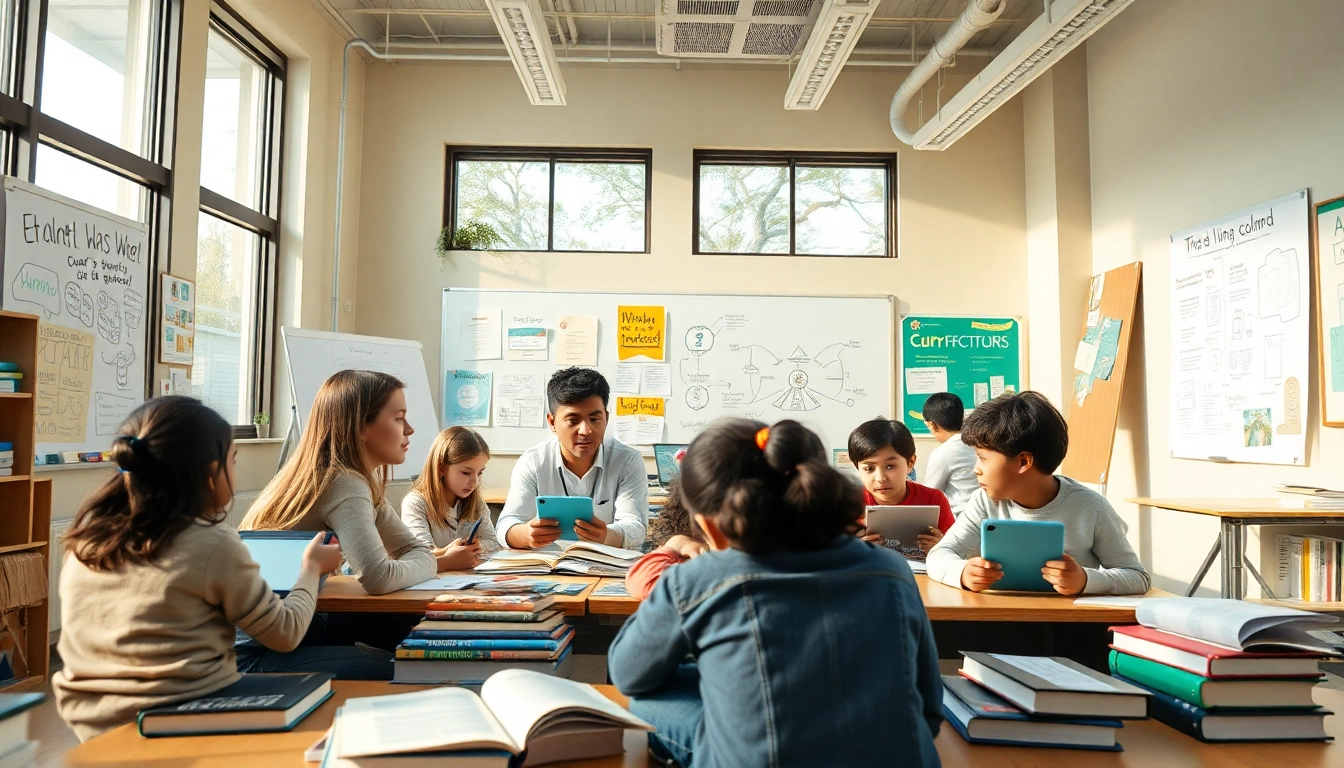
Education can take various forms, tailored to meet the needs of different learners. Traditional classroom education remains the backbone of most educational systems, where structured learning occurs under the guidance of qualified teachers. However, alternatives such as homeschooling, online education, and community-based learning have gained popularity, especially in response to the growing demand for flexible learning options.
Higher education constitutes another critical form, enabling individuals to gain specialized knowledge and skills through universities and colleges. Vocational education provides practical skills and training necessary for specific trades, while informal education, consisting of self-directed learning and life experiences, complements formal education by contributing to overall growth.
Key Elements of Effective Education
Learning Styles and Their Impact on Education
Understanding learning styles is crucial for effective education. Different learners process information in unique ways, and recognizing these differences allows educators to tailor their teaching strategies. The primary learning styles include visual, auditory, reading/writing, and kinesthetic modalities.
Visual learners benefit from diagrams, charts, and visual aids, while auditory learners grasp information better through lectures and discussions. Reading/writing learners prefer engaging with text-based materials. In contrast, kinesthetic learners thrive through hands-on activities involving movement and manipulation of materials.
By incorporating diverse teaching methods that address these learning styles, educators can create more inclusive learning environments. Such practices enhance student engagement, promote retention, and encourage active participation in the learning process.
The Role of Educators in Facilitating Learning
Educators play a pivotal role in shaping the educational experiences of their students. Beyond imparting knowledge, they serve as mentors, guides, and motivators, fostering a positive learning atmosphere. Effective educators not only possess mastery of their subject matter but also exhibit emotional intelligence, patience, and adaptability.
Building strong relationships with students encourages trust and open communication, allowing educators to understand individual needs and challenges. This rapport boosts student confidence and curiosity, creating a conducive environment for exploration and discovery. Furthermore, professional development and continuing education for teachers enable them to stay updated with pedagogical advancements and integrate innovative techniques into their classrooms.
Essential Educational Tools and Resources
The landscape of educational tools and resources has expanded dramatically in recent years. From traditional textbooks to digital platforms, educators have access to an array of instruments designed to enhance learning experiences. Interactive technologies, such as learning management systems, gamified learning apps, and virtual and augmented reality experiences, engage students in new and immersive ways.
Furthermore, supplementary resources, including worksheets, lesson plans, and educational games, provide in-depth learning opportunities beyond the confines of the classroom. The integration of these tools, when aligned with curriculum goals and learning objectives, enriches the educational experience and caters to diverse learning preferences.
Challenges in Modern Education
Addressing Inequality in Education
Despite advancements in educational access, inequality persists across various demographics, affecting the quality of education available to students. Socio-economic status, geographic location, and cultural background significantly impact educational opportunities and outcomes.
To combat these disparities, strategies such as targeted funding for under-resourced schools, community engagement initiatives, and policies supporting marginalized groups are essential. Programs that provide scholarships, mentorship, and after-school support can empower disadvantaged students, helping them access quality education and realize their potential.
Adapting to Technological Innovations
As technology rapidly evolves, educational institutions must adapt accordingly to remain relevant. The integration of digital tools has transformed teaching and learning, providing both opportunities and challenges. While technology can enhance interactivity and access to information, it also requires educators to develop new skills and pedagogical approaches.
Adopting blended learning models, which combine traditional and digital instruction, is a promising avenue for leveraging technological innovations. However, schools must address potential drawbacks, such as unequal access to technology and the need for appropriate digital literacy training for both educators and students.
Overcoming Learning Barriers in Students
Learning barriers can stem from various sources, including language proficiency, learning disabilities, and psychological factors. Acknowledging and addressing these obstacles is essential for fostering an inclusive educational environment. Early intervention strategies, such as tailored instructional approaches and remedial support, can significantly improve outcomes for struggling learners.
Furthermore, promoting a growth mindset among students encourages resilience and perseverance. Educators can facilitate this by providing constructive feedback, celebrating achievements, and cultivating a culture that values effort and improvement over innate ability. This holistic approach can empower all students to reach their potential.
Best Practices for Engaging Education
Collaborative Learning Strategies
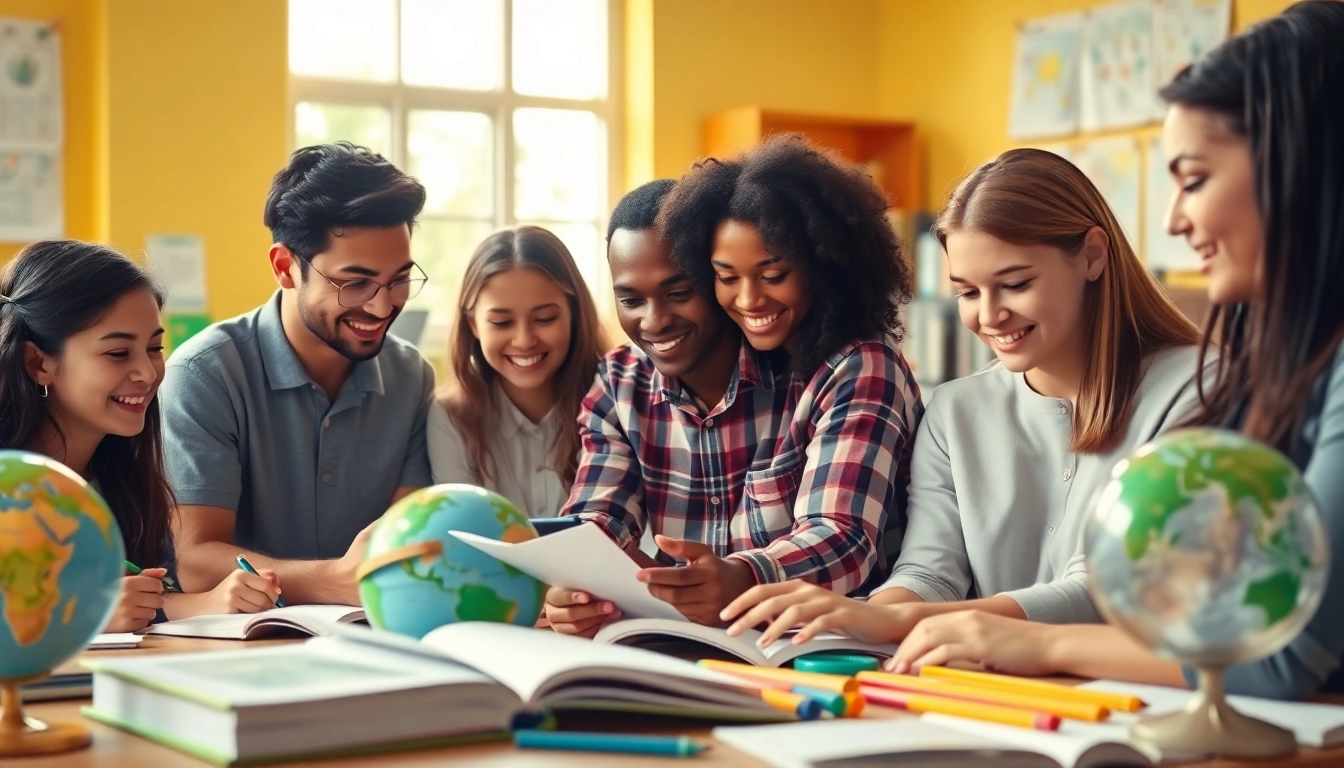
Collaborative learning involves students working together to solve problems or complete tasks, fostering teamwork and communication skills. Group discussions, projects, and peer-tutoring initiatives are effective strategies that promote collaboration among students. Such approaches enhance engagement and deepen understanding as learners share diverse perspectives and experiences.
Instructors can facilitate collaborative learning by creating structured group activities, setting clear roles, and promoting a culture of respect and inclusivity. Encouraging students to reflect on their collaborative experiences also helps them identify strengths and areas for improvement, further enriching the learning process.
Implementing Active Learning Techniques
Active learning engages students directly in the learning process, requiring them to participate actively rather than passively receiving information. Techniques such as debates, simulations, and problem-based learning empower students to think critically, apply knowledge, and work through real-world scenarios.
Incorporating active learning requires careful planning and consideration of instructional goals. Educators must create a supportive environment that allows students to take risks, question assumptions, and collaborate meaningfully. As students engage more actively, their retention improves, and they become more invested in their learning journeys.
The Importance of Feedback in Education
Feedback is a cornerstone of effective education, shaping students' understanding and guiding their progress. Timely and constructive feedback helps students identify strengths and areas for growth, ensuring they remain on track towards their learning goals.
Moreover, feedback should be specific, actionable, and framed positively to encourage continued effort and improvement. Teachers can utilize formative assessments, regular check-ins, and peer evaluations to provide comprehensive feedback that reinforces student learning and fosters a growth-oriented mindset.
Measuring Success in Education
Evaluating Educational Outcomes
Measuring the success of educational initiatives requires a comprehensive understanding of outcomes, which can include academic performance, social skills development, and emotional well-being. Standardized assessments, classroom performance evaluations, and qualitative reflections from students and educators all contribute to a holistic picture of educational effectiveness.
Data-driven approaches to evaluation enable educators to identify trends, strengths, and weaknesses within their programs. Evaluating outcomes allows for informed decision-making, supporting continuous improvement and adaptability in teaching methods and curricula.
Setting and Achieving Educational Goals
Setting clear, achievable educational goals is vital for fostering progress in both students and educational institutions. SMART goals—Specific, Measurable, Achievable, Relevant, Time-Bound—provide a framework for goal-setting that promotes accountability and transparency.
Educators can collaborate with students to define personal and academic goals, aligning them with broader educational objectives. Regularly revisiting and adjusting these goals fosters a culture of reflection and growth, encouraging continuous development toward success.
Continuous Improvement in Educational Practices
Education is a dynamic field, requiring ongoing reflection and adaptation of teaching practices. Establishing a culture of continuous improvement encourages educators to seek professional development opportunities, share best practices, and implement innovative strategies that enhance learning outcomes.
Collaborative communities of practice can support this process, allowing educators to connect, share ideas, and learn from one another. By fostering an environment of curiosity, experimentation, and openness to feedback, education professionals contribute significantly to their own growth and that of their students.