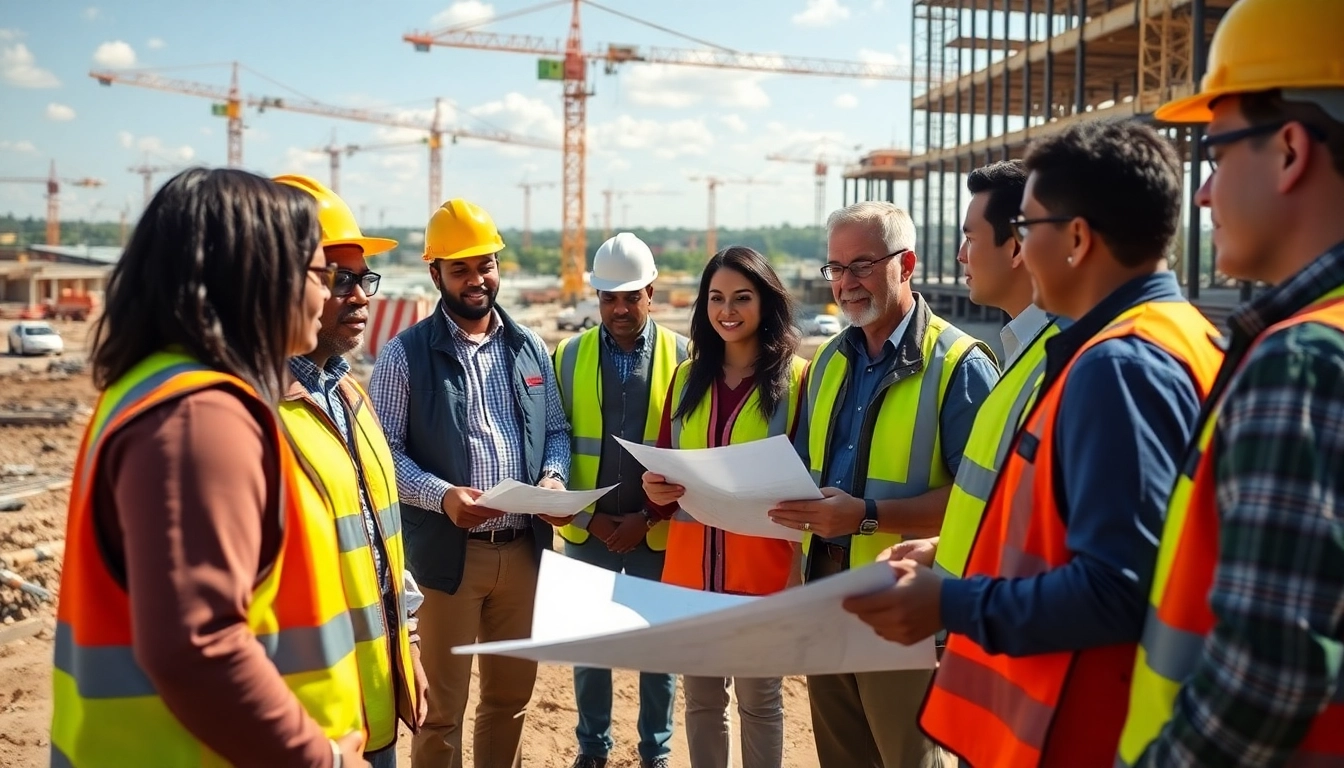
Understanding Construction Advocacy in the Carolinas
Construction advocacy is a crucial component of the development landscape in the Carolinas, where stakeholders work collaboratively to ensure that the construction industry thrives amid regulations and community concerns. Effectively engaging in construction advocacy carolinas means understanding the unique characteristics of the local environment, including both the challenges and opportunities present. This comprehensive guide delves into the multiple facets of construction advocacy, highlighting why it's essential, the stakeholders involved, and how to implement successful strategies.
1. Definition of Advocacy in the Construction Sector
Advocacy in the construction sector involves promoting policies and practices that benefit the industry while balancing the needs of the community and the environment. It encompasses lobbying for favorable regulations, engaging with local residents, and raising awareness about the positive impacts of construction on the economy and infrastructure. Construction advocacy enables industry professionals to give voice to their needs and concerns, ensuring that development projects align with broader community goals.
2. Importance of Local Engagement
Engaging with local communities is essential for successful construction advocacy. As development projects can significantly alter the landscape and impact residents' lives, fostering trust and open communication with locals is paramount. Local engagement not only builds goodwill but can also lead to smoother project approvals, better local partnerships, and increased support for initiatives that benefit the construction sector. In the Carolinas, understanding local customs, historical context, and community aspirations can inform a more effective advocacy strategy.
3. Key Stakeholders in Construction Advocacy
Numerous stakeholders participate in the construction advocacy ecosystem, each playing a significant role. Among them are:
- Construction Companies: These are the primary players who directly advocate for policies that facilitate their operations.
- Local Governments: Local officials have significant influence over zoning laws, permitting, and regulations.
- Community Groups: Local residents and advocacy groups can voice concerns and champion community-oriented construction practices.
- Trade Associations: Organizations like the Home Builders Association provide resources and amplify the industry's concerns.
- Environmental Agencies: These stakeholders ensure that construction practices adhere to regulations that protect natural resources.
Challenges in Construction Advocacy
While the advocacy landscape offers various opportunities, it is not devoid of challenges. Awareness and strategic responses to these issues are vital for effective advocacy.
1. Navigating Regulatory Frameworks
The construction industry in the Carolinas must adhere to a complex web of state and local regulations. Navigating this landscape can be time-consuming and requires expertise. Advocacy efforts often focus on simplifying regulatory processes, improving stakeholder collaboration, and ensuring that construction professionals are adequately informed about changes and requirements. Overcoming these regulatory challenges often involves lobbying for reforms that streamline permitting and reduce bureaucratic hurdles.
2. Addressing Community Concerns
Construction impacts neighborhoods and ecosystems, leading to valid concerns regarding noise, traffic, environmental disruption, and displacement. Addressing these concerns requires a proactive approach that involves community consultations, transparency in operations, and implementation of measures to mitigate negative impacts. Successful advocacy involves developing relationships with residents, listening to their input, and demonstrating that their concerns are being taken seriously.
3. Competition with Other Industries
Construction advocacy competes for attention and resources with other industries that have their own pressing needs. For instance, in a changing economy, sectors like technology and healthcare may attract more public and government focus. Construction advocates must thus highlight the economic benefits that come from robust construction activities, such as job creation, property value increases, and infrastructure improvements, to maintain relevance and priority in discussions about resource allocation.
Effective Strategies for Advocacy
Successful construction advocacy requires a multi-faceted approach that engages stakeholders strategically. Below are key strategies to enhance advocacy efforts.
1. Building Coalitions and Partnerships
Forming coalitions with other industry players and community groups can amplify advocacy efforts. By combining resources and voices, advocates can present a united front that is more likely to influence policymakers. For instance, partnerships with environmental organizations can help construction advocates identify sustainable practices that align with community values, thereby increasing support for projects.
2. Leveraging Social Media for Outreach
Social media is a powerful tool for advocacy, allowing immediate communication and engagement with a broader audience. Advocates can utilize platforms like Facebook, Twitter, and LinkedIn to share success stories, project updates, and information about policy changes that affect the industry. Effective use of social media not only raises awareness but also encourages dialogue with community members and stakeholders.
3. Engaging with Local Government and Organizations
Regular engagement with local government officials is essential for successful construction advocacy. This can include attending town hall meetings, participating in public forums, or initiating direct dialogue with policymakers. Being proactive in these engagements allows advocates to voice industry concerns and ensure that construction-related issues are front and center as local governments create policies and make decisions that affect the sector.
Success Stories in the Carolinas
To understand the effectiveness of construction advocacy, examining successful case studies within the Carolinas is insightful. These examples showcase how advocacy can lead to positive outcomes in various projects.
1. Case Studies of Effective Advocacy
One notable example includes the successful lobbying efforts surrounding the Charlotte Light Rail project. Construction advocates worked alongside local government and transit authorities to ensure that the project met both infrastructure requirements and community needs, resulting in enhanced transportation options for residents and reduced traffic congestion.
2. Measurable Impact on Local Projects
Advocacy has also led to measurable impacts on specific construction projects in Greenville, where community input and collaboration with construction firms resulted in the careful design of urban developments that prioritize green spaces and accessibility. Putting the community at the forefront of project planning has garnered support and trust from residents.
3. Testimonials from Industry Leaders
Industry leaders in the Carolinas have echoed the importance of advocacy in their operations. For example, the CEO of a major construction firm in North Carolina noted that “effective advocacy has allowed us to navigate regulatory challenges and foster relationships that directly impact our ability to complete projects on time and within budget.” Such testimonials underline the practical benefits of a robust advocacy effort in the construction sector.
Future of Construction Advocacy in the Carolinas
As the Carolinas continue to develop, construction advocacy must evolve to address emerging trends and prepare for potential challenges. The future of advocacy will rely on adaptive strategies and innovative approaches.
1. Emerging Trends and Opportunities
One of the key trends in construction advocacy is the shift towards sustainable and environmentally-conscious building practices. As both public sentiment and regulation increasingly favor green technologies, advocates can champion policies that support innovative building practices, such as energy-efficient designs and sustainable materials, making a strong case for investments in these areas.
2. Innovations in Advocacy Techniques
Technology is playing a critical role in transforming advocacy techniques. The use of data analytics to identify key community concerns and understand public sentiments can enhance advocacy strategies. Furthermore, virtual platforms are allowing for more inclusive community engagement, enabling broader participation in discussions regarding construction projects. Harnessing these innovations can lead to more effective and targeted advocacy efforts.
3. Preparing for Legislative Changes
As the political landscape evolves, being prepared for legislative changes is vital for construction advocacy. Engaging in continuous education about potential regulatory shifts and maintaining an agile advocacy strategy allows industry stakeholders to pivot quickly and effectively respond to new challenges. Establishing strong ties with legislative bodies will be crucial for keeping the construction interests represented.
Conclusion
Construction advocacy in the Carolinas is essential for ensuring the growth and sustainability of the industry. By understanding the dynamics of local engagement, addressing challenges, and implementing effective advocacy strategies, stakeholders can create a thriving environment for construction projects that benefit both the industry and the communities they serve. As we look to the future, embracing emerging trends and leveraging innovative techniques will empower advocates to navigate the complexities of the construction landscape and pave the way for continued success.