The Allure of the Retro Oven
In the world of culinary innovation, few appliances evoke a sense of nostalgia quite like the Retro Oven. Its design harks back to a simpler time, reminding us of family gatherings and hearty home-cooked meals. But beyond its aesthetic appeal, this charming appliance boasts features that cater to modern culinary demands. Let’s explore why the Retro Oven has captured the hearts of many and become a staple in today’s kitchens.
History of Design in Cooking Appliances
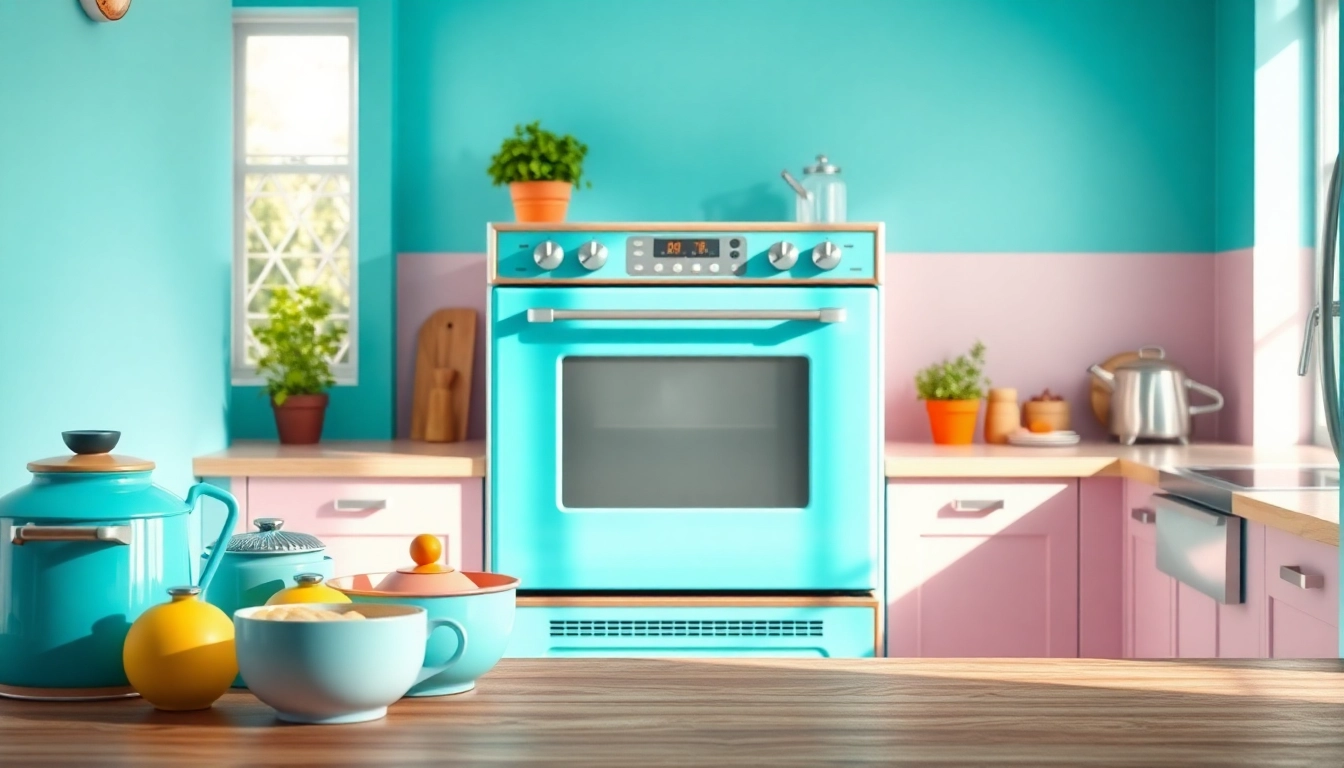
The evolution of cooking appliances is a fascinating journey that reflects changes in technology, style, and consumer preferences. The Retro Oven draws inspiration from mid-20th-century designs, which were characterized by bold colors, chrome accents, and streamlined shapes. The rise of mass production in the 1950s allowed for the creation of visually striking appliances that prioritized functionality alongside aesthetic appeal. As cooking technology advanced, these ovens transformed, integrating modern features while retaining their nostalgic charm.
Unique Features and Benefits
What sets the Retro Oven apart from conventional ovens are its unique features that blend nostalgia with modern convenience. From customizable knobs to vibrant color options, these ovens are not only functional but also serve as a statement piece in a kitchen. Key benefits include:
- Distinctive Aesthetics: The Retro Oven serves as a focal point in the kitchen, adding character and a hint of nostalgia.
- Advanced Cooking Functions: Many models come equipped with versatile cooking options, including convection cooking, broiling, and baking.
- Energy Efficiency: Despite their vintage appearance, many Retro Ovens are designed with energy-saving technology, making them environmentally friendly choices.
Why Choose a Retro Oven for Your Kitchen?
Choosing a Retro Oven is more than just a decision about an appliance; it’s an investment in your culinary experience. The blend of functionality and style makes the Retro Oven perfect for diverse kitchen designs. Whether you’re a passionate home cook or simply appreciate great aesthetics, this oven impresses on all fronts. Additionally, it encourages a lifestyle centered around cooking, bringing families together as they prepare and enjoy meals.
Key Functions of the Retro Oven
Cooking Versatility: More than Just Baking
While the Retro Oven is often associated with baking, its capabilities extend far beyond. Many models offer multiple heat settings, allowing for a variety of cooking techniques. You can roast vegetables, heat leftovers, and even slow-cook meats. The versatility means you can enjoy everything from baked goods to savory meals without needing multiple appliances cluttering your kitchen.
Energy Efficiency in Everyday Cooking
As energy prices rise and environmental concerns grow, energy efficiency becomes a paramount consideration in appliance selection. The Retro Oven is designed to use less energy compared to traditional ovens while still delivering exceptional results. These units are engineered to maintain heat efficiently, reducing cook times and saving on electricity costs. By opting for a Retro Oven, users not only save on their energy bills but also lessen their overall carbon footprint.
Intuitive Controls for Modern Users
Modern users expect user-friendly interfaces, and Retro Ovens deliver just that. Many models feature intuitive dials and touch controls that make it easy to adjust temperature settings and cooking functions. Some high-end versions even include digital displays that provide real-time feedback on cooking progress. This combination of simplicity and technology ensures that even novice cooks can achieve great results.
Integrating the Retro Oven into Your Kitchen
Design Tips to Coordinate with Existing Decor
When integrating a Retro Oven into your kitchen, it’s essential to consider the overall decor. These ovens pair beautifully with vintage-themed kitchens, but they can also complement modern designs. Use colors that are complementary to your cabinet shades, and consider elements like backsplash tiles or wall colors that can enhance the retro feel. Accessible counter space alongside the oven can provide practical prep areas that maintain the overall aesthetic.
Space Considerations and Placement
Space is often a significant concern in kitchen design. Measuring your available space before selection is crucial. The Retro Oven should be accessible yet not overpower your kitchen layout. Ensure there is enough room for ventilation and that it fits comfortably with other appliances. In smaller kitchens, consider vertical stacking options or integrating it into cabinetry for a streamlined look.
Accessorizing Your Retro Oven Setup
Accessorizing around your Retro Oven can enhance its appeal and functionality. Consider vintage-inspired kitchen tools and utensils that reflect the same style. Cookware that matches your Retro Oven's color can make cooking more enjoyable while keeping aesthetics in check. Additionally, adding decor such as framed recipes or vintage food posters can provide a cohesive look and feel.
Maintaining Your Retro Oven
Essential Cleaning Tips for Longevity
To ensure the longevity and performance of your Retro Oven, regular maintenance is vital. Here are a few easy steps for cleaning:
- Use Soft Cloths: Gently wipe down the exterior with a soft, damp cloth to prevent scratches and maintain shine.
- Regular Oven Clean: Use an appropriate oven cleaner for the interior, avoiding strong chemicals that may damage surfaces.
- Inspect Seals: Regularly check door seals for wear and tear to maintain energy efficiency.
Common Issues and How to Troubleshoot
While Retro Ovens are designed for durability, issues can arise. Here’s how to troubleshoot some common problems:
- Inconsistent Heating: Check for blockages in vents or ensure the oven isn’t overloaded.
- Burnt Food: If your food is burning, consider recalibrating the temperature or adjusting the rack position.
- Failure to Light: If your oven does not ignite, check the gas supply or the igniter functionality.
When to Seek Professional Help
If you encounter persistent issues or malfunctions that seem beyond your control, it's advisable to consult a professional appliance repair service. Signs that signal the need for expert assistance include unusual noises, error codes from digital interfaces, or inability to reach set temperatures. Investing in professional maintenance can save you money in the long run.
Frequently Asked Questions
What is the energy consumption of a Retro Oven?
The energy consumption varies based on the model, but many retro ovens are designed for efficiency, often using less power than traditional models.
Can a Retro Oven handle modern cooking techniques?
Yes, many Retro Ovens come equipped with features that support grilling, broiling, and baking, making them versatile for various cooking styles.
Are Retro Ovens easy to clean?
Most Retro Ovens have smooth surfaces and removable parts, making cleaning straightforward. Regular maintenance ensures lasting performance.
What kitchen styles pair well with a Retro Oven?
Retro Ovens complement various styles, but they are especially well-suited for vintage, mid-century modern, and eclectic designs.
Where can I purchase a Retro Oven?
Retro Ovens can be found at specialty appliance stores, online marketplaces, and home goods retailers, offering a wide range of styles and features.