
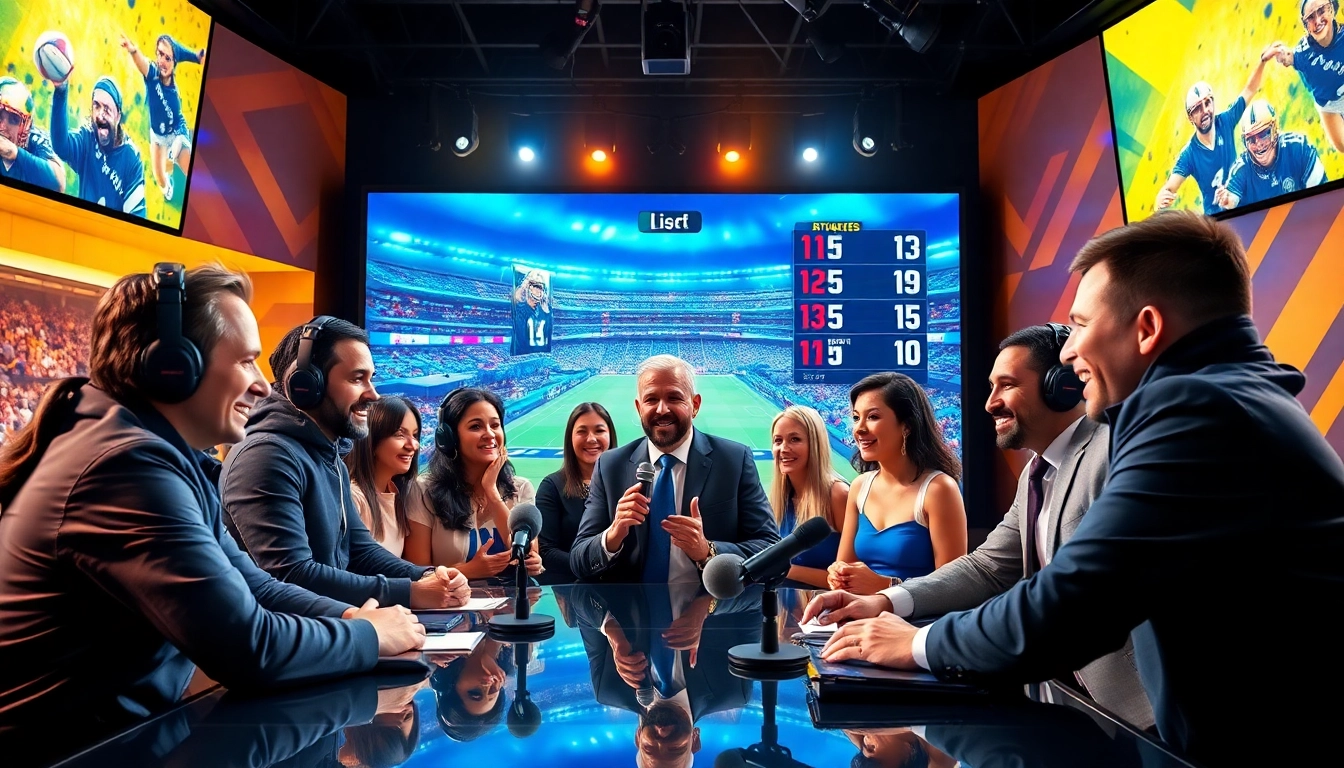
Understanding the Landscape of Sports Broadcasting
The Importance of Sports Broadcasting in Today’s Media
In the ever-evolving world of media, Sports Broadcasting has solidified its importance by transforming how fans engage with their favorite sports. It serves not only as a medium for airing live events but also plays a vital role in building community, enhancing fan experience, and facilitating discussions around sports. Broadcasters utilize a combination of audio, visual, and interactive elements to create immersive experiences that resonate deeply with audiences.
Key Trends Shaping Sports Broadcasting
Several trends are influencing the direction of sports broadcasting today. Firstly, the rise of streaming platforms has made sports content more accessible than ever. Fans can now watch their favorite teams on multiple devices, enhancing the viewing experience. Secondly, the integration of social media allows broadcasters to engage with audiences in real time, fostering a sense of community among viewers. Thirdly, there’s a significant movement towards personalized content, with broadcasters utilizing AI and data analytics to tailor broadcasts to individual preferences, thus enhancing viewer engagement.
Challenges Faced by Sports Broadcasters
While the landscape is rich with opportunities, sports broadcasters also face several challenges. The competition is more intense than ever, with digital platforms vying for market share traditionally held by conventional broadcasters. Additionally, rapidly changing viewer habits and technological advancements demand continuous innovation. Broadcasters must invest in cutting-edge technology and maintain robust relationships with advertisers and sponsors while staying compliant with regulations that govern broadcasting rights. These complexities require strategic foresight and adaptability to maintain relevance in the market.
Core Components of Effective Sports Broadcasting
Essential Equipment for Sports Broadcasting
The backbone of any successful sports broadcast lies in its equipment. High-quality cameras capable of capturing fast-moving action, reliable microphones for clear audio, and advanced broadcasting software are essential components. Additionally, a good editing suite is crucial for post-production, enabling broadcasters to create highlight reels, interviews, and promotional content. Investing in virtual reality and augmented reality equipment is also becoming increasingly important, as these technologies enhance viewer engagement by offering immersive experiences.
Techniques for Engaging Storytelling in Sports
Sports broadcasting transcends mere play-by-play commentary; it's about telling a compelling story. Effective storytelling involves weaving background narratives into the fabric of the broadcast. Broadcasters can enhance engagement by incorporating player backstories, team histories, and even fan experiences. Utilizing visual elements such as graphics and replays can further underline key moments. Additionally, commentators must possess the ability to connect emotionally with the audience, delivering insights that not only inform but also entertain.
Analyzing Audience Preferences in Sports Broadcasting
Understanding audience preferences is pivotal for successful sports broadcasting. Broadcasters must employ data analytics to examine viewer habits and preferences deeply. This can include analyzing viewing times, content types, and engagement levels across different demographics. By utilizing audience feedback and metrics, broadcasters can fine-tune content delivery, shaping programming that aligns with viewer interests and thus maximizing engagement and satisfaction.
Advanced Strategies for Sports Broadcasting Success
Leveraging Technology for Enhanced Broadcasting
Technology plays a vital role in elevating the standards of sports broadcasting. Innovations such as automated cameras, augmented reality overlays, and advanced analytics tools are enhancing broadcasts. For instance, augmented reality can provide viewers with real-time statistics and player information displayed within the broadcast. Using drone technology for aerial shots can also add a unique perspective to live coverage. Adopting these technologies not only enhances the viewer’s experience but also positions broadcasters as leaders in the industry.
Data Analytics in Sports Broadcasting
Data analytics is becoming an indispensable tool in sports broadcasting. By analyzing viewer statistics, broadcasters can make informed decisions about programming, advertising, and even partnership opportunities. Using predictive analytics, they can anticipate trends and adapt their strategies accordingly. This involves not just tracking viewer numbers but also engaging with social media data to measure sentiment and feedback, allowing broadcasters to remain attuned to audience preferences and make necessary adjustments in real time.
Building a Brand in the Sports Broadcasting Industry
For sustained success, developing a strong brand is crucial in the competitive landscape of sports broadcasting. This involves creating a unique identity that resonates with the target audience, including a consistent tone, visual style, and programming approach. Partnerships with teams, leagues, and sponsors can also enhance a broadcaster's brand. Engaging content that reflects the core values of the brand while aligning with audience expectations can cultivate loyalty and positively position a broadcaster in viewers' minds.
Monetization Strategies in Sports Broadcasting
Revenue Streams in Sports Broadcasting
The monetization of sports broadcasting can occur through various channels. Traditionally, advertising and sponsorships have been primary revenue sources. However, as the industry evolves, subscription models and pay-per-view options are gaining traction, especially with the rise of streaming services. Merchandise sales and in-game advertising present additional opportunities for revenue. Each stream requires careful strategic planning to optimize profitability while ensuring that it does not detract from the viewer experience.
Harnessing Sponsorship and Advertising Opportunities
Sponsorships and advertising can provide lucrative opportunities for sports broadcasters. Effective integration of sponsor messaging during broadcasts can enhance experiences for both fans and sponsors. Broadcasters can develop tailored packages that include advertising spots, branded content, and product placements. Furthermore, partnerships with major brands can lead to sponsorship deals that not only provide financial support but also enhance the broadcast through interactive segments and promotions, drawing in more viewers.
Navigating Subscription Models in Sports Broadcasting
The rise of subscription-based models offers a new landscape for sports broadcasting monetization. Services like premium subscriptions offer additional features for die-hard fans, such as ad-free viewing, exclusive content, and enhanced interactivity during broadcasts. Implementing tiered pricing structures can provide flexibility for various viewer demographics, enhancing accessibility while maximizing revenue potential. The challenge lies in continually delivering exceptional value to keep subscribers engaged and retain them long-term.
Evaluating Performance and Future Trends in Sports Broadcasting
Metrics for Success in Sports Broadcasting
Performance metrics are essential to evaluate the effectiveness of sports broadcasting strategies. Key metrics include viewer ratings, engagement rates, average watch time, and sentiment analysis. Monitoring these statistics helps broadcasters understand audience behavior and refine their approach. Additionally, fiscal metrics like revenue per subscriber and cost per viewer provide insights into the financial viability of different aspects of sports programming. Regularly analyzing these metrics can lead to informed decision-making and sustained growth.
Predicting the Future of Sports Broadcasting
The future of sports broadcasting is poised for further transformation marked by advances in technology and shifts in consumer behavior. With the increasing integration of artificial intelligence, we can anticipate more personalized viewing experiences. The potential of virtual reality and augmented reality is immense, offering fans immersive experiences that replicate the buzz of live events. Moreover, the ongoing trend towards on-demand content will likely reshape traditional broadcasting, making flexibility and viewer priority even more crucial.
Preparing for Emerging Technologies in Sports Broadcasting
As emerging technologies continue to define the sports broadcasting landscape, preparation is key. Broadcasters should remain proactive by investing in training for staff to effectively utilize new tools. Collaborating with tech innovators can also facilitate the adoption of advanced solutions. Staying informed about trends like blockchain for content distribution or AI for analytics ensures that broadcasters are not only ready to embrace these changes but can also leverage them to enhance the viewer experience and streamline operations.
Frequently Asked Questions About Sports Broadcasting
What is Sports Broadcasting?
Sports Broadcasting is the live transmission of sports events through various media platforms, including TV, radio, and online streaming.
How has technology changed Sports Broadcasting?
Technology has enhanced the viewer experience with interactive features, real-time statistics, and high-definition visuals, making broadcasts more engaging.
What equipment is essential for Sports Broadcasting?
Essential equipment includes cameras, microphones, broadcasting software, and editing tools that ensure high-quality production.
How can I engage my audience during Sports Broadcasting?
Engaging storytelling, exciting commentary, and interactive elements like polls can enhance viewer engagement during broadcasts.
What are future trends in Sports Broadcasting?
Future trends include AR/VR enhancements, personalized streaming options, and the integration of AI analysis to enrich viewer experiences.