
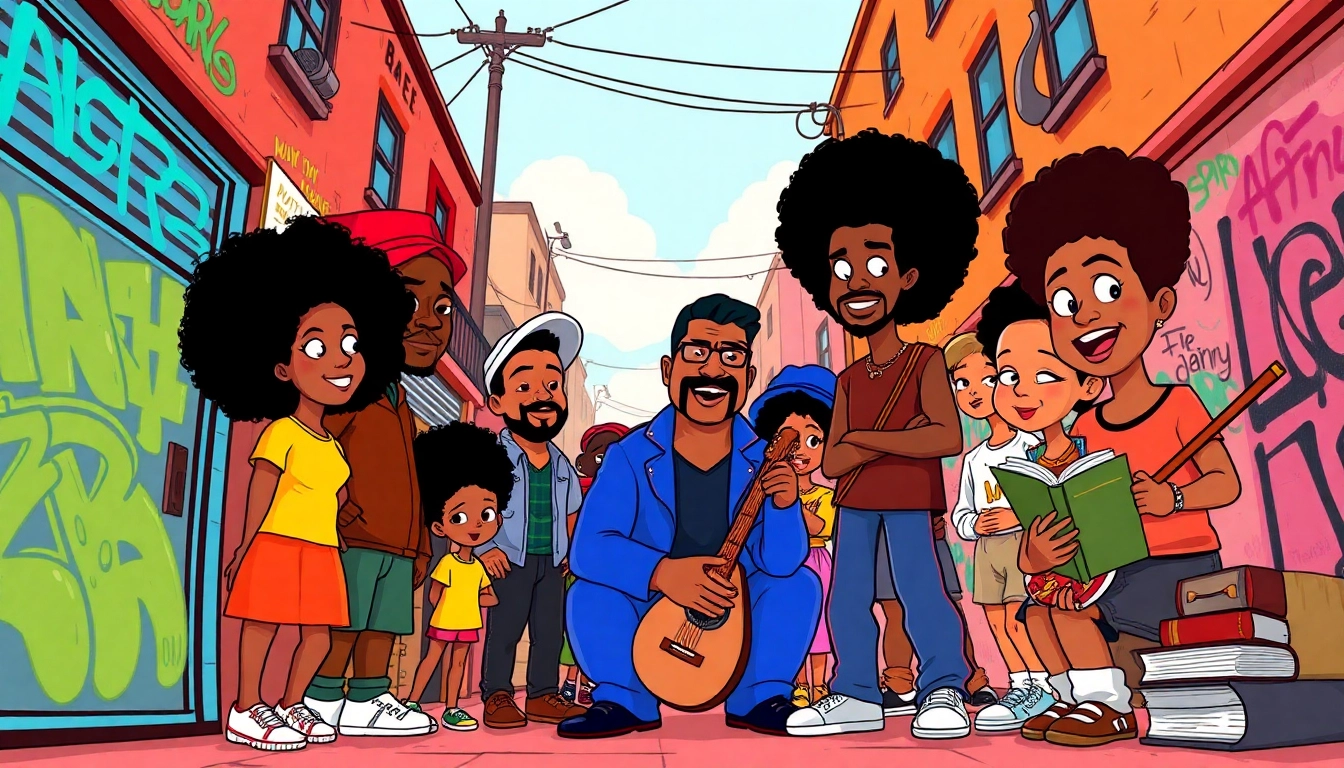
Understanding African American Cartoons: A Cultural Perspective
The world of animation has long been a platform for storytelling, cultural expression, and representation. Within this vast medium, African American cartoons hold a significant place, showcasing the richness and diversity of Black culture. These cartoons not only entertain but also serve as a mirror reflecting societal norms, struggles, and triumphs. The importance of representation in animation cannot be overstated, as it fosters understanding and appreciation among diverse audiences. For those looking to explore and celebrate African American cartoons, African American Cartoons offer a treasure trove of insight and entertainment.
The Importance of Representation in Animation
Representation matters. Animation has the unique ability to resonate with viewers of all ages and backgrounds, and when African Americans are depicted accurately and positively, it cultivates a sense of identity and belonging. Representation in animation allows children to see characters that look like them, promoting self-esteem and cultural pride. Without such representation, children may struggle to see themselves as part of the narratives being told, leading to feelings of isolation or misrepresentation.
How African American Cartoons Reflect Society
African American cartoons often tackle themes relevant to the Black experience, whether through humor, drama, or adventure. Shows like "The Boondocks" engage in social commentary, addressing issues such as racial inequality and cultural identity. Similarly, programs like "The Proud Family" explore family dynamics and cultural heritage, providing both entertainment and education. These series pave the way for dialogue about challenges faced by the African American community, helping to bridge gaps in understanding across cultures.
Notable Contributions from Black Creators
The animation industry is enriched by the contributions of talented Black creators. Figures such as Aaron McGruder (“The Boondocks”), and Bruce W. Smith (“The Proud Family”) have not only produced beloved characters but have also led the conversation around representation. By creating narratives that celebrate Black culture, they are inspiring a new generation of animators and storytellers to explore their own identities through the medium of animation.
Icons of the Past: Classic African American Cartoons
Reflecting on the rich history of African American animation reveals a wealth of iconic characters and shows that have left an indelible mark on the industry. The 90s and 2000s were pivotal decades that helped shape modern perceptions of Black cartoons.
Memorable Characters from the 90s and 2000s
Characters like Fat Albert and his gang from "Fat Albert and the Cosby Kids" exemplified the challenges and joys of childhood while promoting friendship and solidarity. Likewise, Huey and Riley Freeman of "The Boondocks" brought critical social commentary into the mainstream, making audiences laugh while reflecting on serious societal issues. These characters not only entertained but also educated viewers about the complexities of Black life in America.
Cultural Impact of Shows like "Fat Albert" and "The Boondocks"
Both "Fat Albert" and "The Boondocks" represent the duality of entertainment and education that African American cartoons strive to achieve. "Fat Albert," created by Bill Cosby, was grounded in the realities of urban youth, while "The Boondocks" tackled contemporary issues with satire and wit. Their cultural impact extended beyond television screens, influencing music, fashion, and even political discourse.
Evolution of Animation Techniques in Black Cartoons
Over the decades, animation techniques have evolved significantly. Classic shows often employed traditional hand-drawn techniques, whereas modern African American cartoons utilize advanced digital animation styles. This shift not only enhances visual storytelling but also allows for more dynamic character expressions and engaging narratives. The blending of cultural motifs with innovative animation techniques creates a unique viewing experience that appeals to a broad audience.
Modern Hits: Current African American Cartoons
As we step into 2026, the landscape of African American cartoons is more vibrant than ever, with a surge of new shows capturing the essence of contemporary Black culture.
Trending Series and Their Influence in 2026
Series such as "Craig of the Creek" and "Maya and Miguel" are leading the charge in the modern era, portraying diverse settings and relationships. These shows not only entertain the younger generation but also instill important values such as friendship, empathy, and cultural appreciation, making them resonant with both children and parents alike.
What Makes a Cartoon Relevant Today?
In today's fast-paced world, relevance hinges on relatability and cultural resonance. Cartoons that tackle current social issues, celebrate diversity, and promote inclusive values tend to stand out. Moreover, the integration of technology and social media creates opportunities for young audiences to engage with these narratives beyond the screen, fostering community and connection.
Viewer Engagement: How Audiences Connect with Stories
The engagement level of viewers is crucial for the success of modern African American cartoons. Interactive content on streaming platforms and social media allows fans to become part of the storytelling process, contributing to discussions about their favorite characters and themes. This two-way interaction strengthens loyalty and affinity toward these shows, ensuring their place in the cultural landscape.
Educational Potential: Learning Through African American Cartoons
Animation not only entertains but also serves as a powerful educational tool. African American cartoons can play a vital role in helping children learn about diversity, inclusion, and cultural heritage.
Teaching Diversity and Inclusion via Animation
By showcasing characters from various backgrounds, African American cartoons teach children about acceptance and understanding. Programs such as "Doc McStuffins" and "Esme and Roy" incorporate diverse casts and storylines that expose children to a variety of cultures and lifestyles, promoting empathy and understanding from an early age.
Recommended Shows for Educational Purposes
- Doc McStuffins - Focuses on health and caring, featuring a Black girl as the lead character.
- Akili and Me - Aimed at preschoolers, this show teaches children about African culture and languages.
- The Magic School Bus Rides Again - A contemporary reboot that highlights diversity while educating students on scientific concepts.
Resources for Parents and Educators
Parents and educators can leverage African American cartoons as teaching aids by discussing the themes presented in each episode. Many streaming platforms also provide resources that help guide discussions about diversity and representation, making it easier for them to foster inclusivity in the classroom or at home.
The Future of African American Cartoons: Trends to Watch
As we look ahead, the future of African American cartoons promises to be dynamic, with trends emerging that will shape the next generation of animation.
Predictions for New Storytelling Techniques
Innovative storytelling methods are on the horizon, with narrative structures becoming increasingly complex. Expect to see more cross-genre and hybrid formats, blending traditional storytelling with interactive elements. This evolution in storytelling can provide more immersive experiences for viewers, allowing them to explore diverse plots and characters in new ways.
The Rise of Streaming Platforms and Their Impact
Streaming platforms have democratized access to content, enabling a wide array of voices to emerge. As these platforms prioritize original content, the doors are wide open for more African American cartoon creators to showcase their work, fostering a richer tapestry of stories that reflect the diversity of experience within the community.
Embracing Technology: Animation in the Digital Age
Advancements in technology are redefining the animation landscape. With tools that allow for more expressive character animation and the incorporation of augmented reality and virtual reality, the possibilities are endless. This technological embrace is poised to create more engaging and relatable African American cartoons that resonate with audiences across generations.