Understanding the Benefits of Kids Tricycles
Tricycles for kids have long been a staple of childhood fun and development. Not only do they provide an enjoyable way for children to explore their surroundings, but they also offer numerous benefits that contribute to physical, cognitive, and emotional growth. As parents, choosing the right tricycle can be a daunting task, especially with so many options available on the market. When exploring options, best kids tricycles provide comprehensive insights into features that enhance your child’s riding experience.
Why Choose Kids Tricycles for Your Child?
Kids tricycles are more than just a fun activity; they are a remarkable tool for learning and development. Riding a tricycle helps children improve their motor skills, balance, and coordination. Moreover, cycling encourages outdoor activity, which is essential for their physical health and can also boost mental well-being. The structured design of tricycles, with their three wheels, offers stability, making them a safe option for younger children.
Key Features to Look for in the Best Kids Tricycles
When selecting a tricycle, consider features that promote ease of use and safety:
- Durability: Look for tricycles made from high-quality materials that can withstand rough play.
- Adjustable Seat: An adjustable seat allows the tricycle to grow with your child, ensuring comfort and usability for several years.
- Safety Features: Look for models with safety belts, a low center of gravity, and sturdy handlebars to prevent falls.
- Weight: Lightweight tricycles are easier for children to maneuver and handle.
- Brakes: Reliable braking systems, such as hand or foot brakes, enhance safety, especially on inclines.
Health and Developmental Benefits of Tricycle Riding
Riding a tricycle offers numerous health benefits, including improved cardiovascular fitness, muscle strength, and endurance. It also encourages children to engage in physical activity, which is vital in combating childhood obesity. From a developmental perspective, tricycle riding enhances spatial awareness and cognitive skills as children navigate their environment. Additionally, the thrill of riding boosts self-confidence and encourages independence.
Types of Kids Tricycles: A Comprehensive Overview
Understanding the different types of kids tricycles can help parents make informed decisions. Options range from traditional pedal tricycles to modern electric models, each catering to various needs and preferences.
Traditional vs. Electric Kids Tricycles
Traditional tricycles are operated by a child’s pedaling and can be ideal for younger children learning to ride. They promote physical activity and are available in various styles and sizes. However, electric kids tricycles are gaining popularity due to their ease of use and fun factor. They provide a boost for children, making it easier for them to ride longer distances, which can be particularly beneficial for larger areas or hilly terrains.
Size and Age Considerations for Choosing a Tricycle
Choosing the right size tricycle is crucial for safety and comfort. Most models come with age recommendations, usually based on height and weight. For instance, smaller models are suitable for toddlers, while larger ones cater to older children. A good fit allows children to reach the pedals comfortably and maintain control of the tricycle.
Accessories and Add-ons for Enhanced Riding Experience
Many tricycles come with optional accessories that can enhance the riding experience. Here are some useful add-ons:
- Baskets: Useful for carrying toys or snacks.
- Lights and Reflectors: Great for added visibility during low-light conditions.
- Canopies: Protect children from sun and rain while riding.
- Training Wheels: Some models allow for the addition of training wheels to boost confidence.
Safety First: Essential Tips for Riding Kids Tricycles
Ensuring your child’s safety while riding a tricycle is paramount. Familiarizing them with safety rules and guidelines can greatly reduce the risk of accidents.
Teaching Safety Rules While Riding
Bearing in mind that younger children may not fully grasp safety protocols, parents should take the initiative. Teach them to always look both ways before crossing streets, to avoid riding in congested areas, and to wear helmets at all times. Establishing rules early on will foster responsible habits as they grow.
Choosing the Right Safety Gear for Your Child
Investing in proper safety gear is a crucial part of tricycle riding. A well-fitted helmet is essential, while knee and elbow pads can provide added protection during any falls. It’s also a good practice to dress children in bright clothing to enhance visibility.
Common Safety Mistakes to Avoid in Tricycle Riding
Many accidents can be attributed to simple mistakes. Here are a few common ones to watch out for:
- Not wearing a helmet or safety gear.
- Allowing children to ride in busy areas or near cars.
- Failure to supervise children while riding, especially young ones.
Real Life Experiences: Parents Share Their Insights
Nothing beats real-life experiences to understand the value of tricycles for kids. Parents have noted that tricycle riding has significantly contributed to their children’s confidence and social skills.
Testimonials from Happy Kids and Parents
Parents often share heartwarming stories about their children’s adventures on tricycles. Children frequently express joy and excitement as they master the art of balance, and parents appreciate the bonding moments shared during family rides.
Lessons Learned from Tricycle Riding Adventures
Through tricycle riding, many families learn about responsibility, independence, and even teamwork. Organizing family rides can transform into fun outings, teaching kids about sharing and taking turns.
How Tricycles Have Made Family Outings More Fun
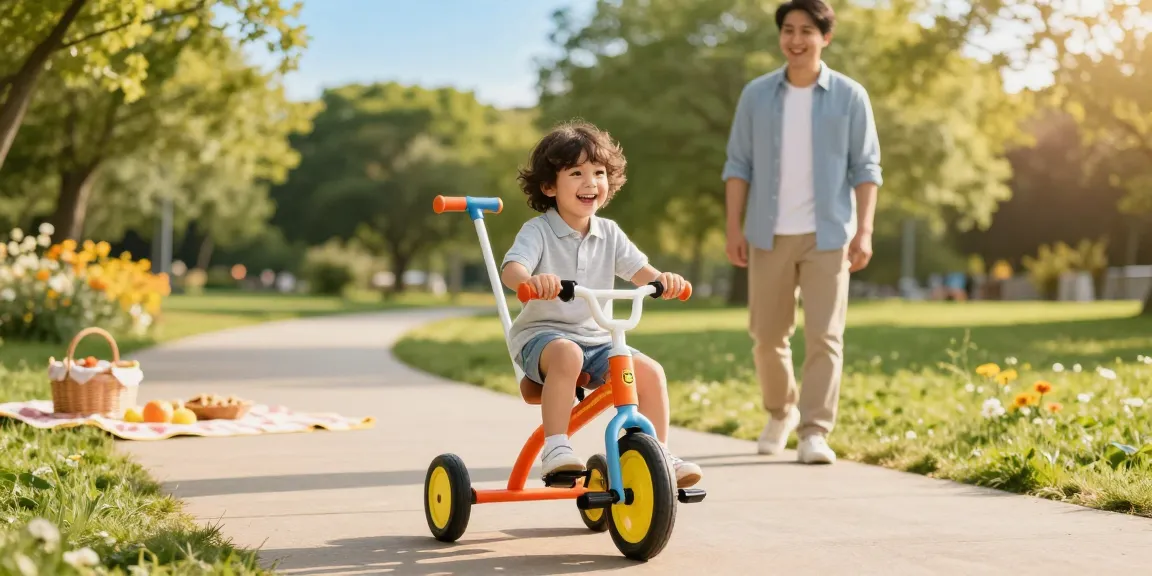
Families often report that tricycles add an element of fun to outings. Whether it’s riding to the park or cruising around the neighborhood, these shared experiences enrich family bonds and create lasting memories.
Future Trends in Kids Tricycles for 2026 and Beyond
As the market for kids’ tricycles continues to grow, innovative designs and enhancements are on the horizon. Future trends suggest that manufacturers will focus on sustainability and cutting-edge technology.
Innovations in Design and Technology for Kids Tricycles
We can expect to see advancements in smart tricycles equipped with features like GPS tracking, integrated lights, and even mobile app connectivity. These innovations can enhance safety and give parents peace of mind while their children ride.
Sustainability in Kids Cycling Products
In response to the growing environmental awareness, more companies are committing to sustainable practices. Expect to see tricycles made from recycled materials and designs that prioritize longevity to reduce waste.
Expectations: What Parents Are Looking For in 2026
As we look towards the future, parents will likely seek tricycles that are not only safe and durable but also environmentally friendly. Flexibility in design that allows for easy storage and transformation will also be a priority, catering to diverse living situations.
What are the Benefits of Kids Tricycles?
In summary, tricycles offer myriad benefits, from safety and stability to enhancing physical fitness and social skills. They are an excellent choice for active play, encouraging kids to explore their world while developing essential life skills.
How to Choose the Right Tricycle for Your Child?
The right tricycle should align with your child’s age, size, and riding experience. Considering factors like build quality and safety features ensures a rewarding riding experience.
Are Electric Kids Tricycles Safe?
Electric tricycles come with their own safety standards, often equipped with features like speed limiters and stability controls. When properly used, they can be a safe and fun alternative for older kids.
What Age is Appropriate for Kids Tricycles?
Typically, children can start riding tricycles around the age of 2–3, depending on their physical development and readiness. Parents should ensure their child can comfortably reach the pedals and handle the tricycle.
How Can Parents Ensure Safety While Riding?
By implementing safety measures and teaching children the importance of responsible riding, parents can ensure a safe tricycle experience. Regularly inspecting the tricycle for any maintenance issues is also crucial.