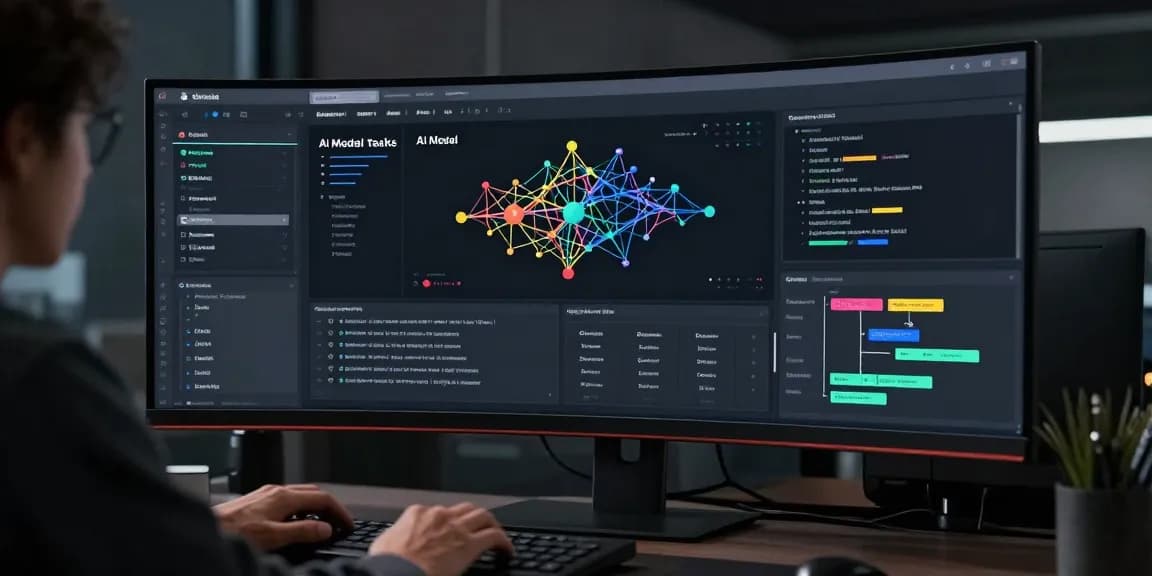
Understanding Infosec in E-commerce
E-commerce has undergone a remarkable transformation over the last decade, offering convenience and accessibility to consumers worldwide. However, with increased online shopping comes the responsibility to protect sensitive customer data from emerging cyber threats. Information Security (infosec) is paramount in this landscape, defending businesses against breaches and ensuring compliance with regulations. This article delves into the vital role of infosec in e-commerce, providing insights into prevalent threats, compliance requirements, and robust security frameworks.
The Importance of Information Security
In an era where online transactions are commonplace, the significance of infosec cannot be overstated. E-commerce businesses store vast amounts of personal data, including credit card information and addresses. A breach can result in severe financial loss, damage to reputation, and legal implications. Therefore, implementing robust information security measures is not merely a recommendation but a necessity for any e-commerce entity.
Common Threats in Online Retail
- Phishing Attacks: Cybercriminals often use deceptive emails to trick users into revealing sensitive information.
- Malware: Malicious software can infiltrate e-commerce platforms, leading to data theft and breaches.
- SQL Injection: Attackers exploit vulnerabilities in database-driven applications to gain unauthorized access to sensitive data.
- Denial of Service (DoS) Attacks: These attacks overload servers, rendering e-commerce websites inaccessible.
Key Regulations and Compliance for E-commerce
Compliance with regulations is critical for e-commerce businesses. Notable regulations include the General Data Protection Regulation (GDPR) in Europe, which mandates strict guidelines on data protection and privacy. Furthermore, the Payment Card Industry Data Security Standard (PCI DSS) outlines security measures for handling credit card information. E-commerce businesses must stay informed about these regulations to avoid hefty fines and maintain consumer trust.
Building a Robust Security Framework
Establishing a solid security framework is essential for any e-commerce organization. It not only helps in safeguarding sensitive information but also bolsters customer confidence. The following sections explore essential tools and best practices for enhancing infosec.
Essential Tools for Infosec in E-commerce
- Firewalls: These act as a barrier between trusted networks and untrusted networks, preventing unauthorized access.
- Encryption Tools: Data encryption ensures that even if data is intercepted, it remains unreadable without the appropriate decryption key.
- Intrusion Detection Systems (IDS): These systems monitor network traffic for suspicious activities and potential threats.
- Security Information and Event Management (SIEM) Tools: SIEM tools aggregate and analyze security data in real-time to identify potential threats.
Best Practices for Securing Customer Data
Implementing best practices is crucial for effective infosec in e-commerce:
- Regular Security Audits: Conduct frequent assessments of security measures and vulnerabilities.
- User Education: Educate customers about secure online practices, such as recognizing phishing attempts.
- Access Controls: Limit access to sensitive data based on roles within the organization.
- Secure Payment Gateways: Utilize trusted payment systems to handle transactions and protect customer data.
Integrating Infosec with E-commerce Platforms
Integrating infosec practices with e-commerce platforms enables a proactive approach to security. Implementing secure coding practices, utilizing plugins that adhere to best security standards, and ensuring regular updates to software can significantly enhance the security posture of e-commerce sites. Moreover, automating security tasks can help maintain vigilance without consuming excessive resources.
Monitoring and Responding to Threats
Proactive monitoring is essential for identifying and mitigating threats before they escalate into major breaches. This section outlines effective strategies for threat detection and incident response.
Setting Up Effective Security Monitoring Systems
Security monitoring involves the implementation of systems that can continuously track network activity and identify anomalies. Establishing a Security Operations Center (SOC) or utilizing managed security services can greatly enhance monitoring capabilities. Moreover, integrating threat intelligence feeds can provide critical information about emerging risks.
Incident Response Planning for E-commerce
Every e-commerce organization should have an incident response plan that outlines procedures for various types of security incidents. This plan should include:
- Clear roles and responsibilities for team members.
- Procedures for communication with stakeholders and customers.
- Step-by-step actions for containing and eradicating threats.
- Post-incident analysis to improve defenses.
Utilizing AI and Machine Learning in Threat Detection
Artificial Intelligence (AI) and Machine Learning (ML) have become transformative tools in infosec, particularly in threat detection. These technologies can analyze vast datasets to identify patterns indicative of cyber threats, allowing organizations to respond more swiftly and accurately. Machine learning algorithms can adapt to evolving threats, making them increasingly effective over time.
Case Studies: Infosec Success in E-commerce
Learning from real-world examples can provide invaluable insights into effective infosec strategies. The following case studies highlight successes and lessons learned in the realm of e-commerce security.
Analyzing High-Profile Security Breaches
Several high-profile breaches, such as the Target and Equifax incidents, showcase the critical need for robust infosec measures. These breaches led to millions of records being compromised, demonstrating the severe repercussions of inadequate security. In analyzing these events, we can identify common threads, including the importance of implementing multi-factor authentication and conducting regular penetration testing.
Lessons Learned from Successful E-commerce Brands
Leading e-commerce brands that have adopted comprehensive security strategies often share key lessons. For instance, Amazon's rigor in security measures, including real-time monitoring and a strong emphasis on customer trust, illustrates how maintaining a proactive security stance can prevent breaches and foster loyalty.
Real-World Applications of Infosec Strategies
Successful e-commerce companies often implement infosec strategies that are not only reactive but also proactive. For instance, employing continuous monitoring tools not only helps detect anomalies but also facilitates a quicker response to potential threats, ensuring that vulnerabilities are addressed before they can be exploited.
The Future of Infosec in E-commerce
As e-commerce continues to grow, the landscape of infosec will evolve to meet new challenges and opportunities. Understanding emerging trends is essential for preparing for the future.
Emerging Technologies and Trends for 2025
By 2025, it is expected that advancements in blockchain technology, biometrics, and quantum computing will play significant roles in enhancing cybersecurity protocols. Companies that adopt these technologies early will have an advantage in securing their platforms against sophisticated cyber threats.
Preparing for Next-Generation Cyber Threats
The e-commerce sector must remain vigilant in preparing for next-generation threats, which may include more sophisticated phishing attacks and advanced persistent threats. Organizations need to invest in advanced detection technologies and continuously train their staff to recognize and respond to new forms of threats.
Innovative Approaches to Customer Trust in Security
Building customer trust is paramount in e-commerce, and transparency in security practices is key. Innovative approaches, such as providing customers with clear information on how their data is protected, conducting regular security updates, and offering guarantees or insurance against data breaches, can significantly enhance consumer confidence.