Overview of Florida Hurricane Damage
Florida is renowned for its beautiful beaches, vibrant wildlife, and sunny climate. However, the state's geographical location also makes it a prime target for hurricanes. Each year, Florida faces the "hurricane season," typically spanning from June to November, during which powerful storms can develop, potentially leading to extensive Florida Hurricane Damage. Understanding the nature of this damage, the processes involved in assessment and recovery, as well as preventive measures, is critical for residents and policymakers alike.
Types of Damage Caused by Hurricanes
The damage inflicted by hurricanes in Florida can be categorized into different types, each with its unique impact on properties and the environment:
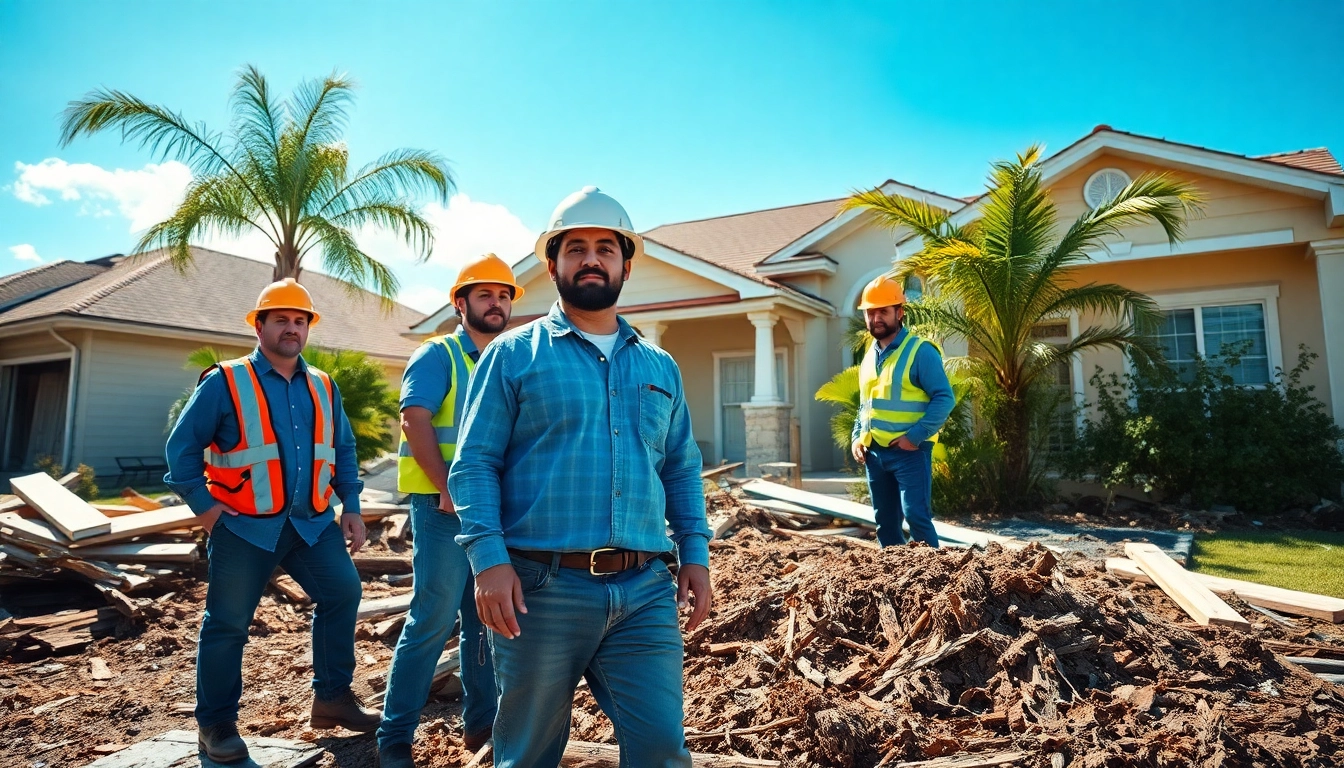
- Structural Damage: High winds and flooding can lead to immense structural damage to residential and commercial buildings. Roofs may be torn off, walls may collapse, and entire buildings may be rendered uninhabitable.
- Flood Damage: Storm surges and heavy rainfall can inundate properties, leading to water damage that affects not only the foundation but also electrical systems and personal belongings.
- Environmental Damage: Hurricanes can disrupt local ecosystems, uprooting trees, flooding wetlands, and causing significant harm to wildlife habitats.
- Infrastructure Damage: Roads, bridges, and utilities are often severely impacted, obstructing transportation and access to essential services.
- Economic Damage: The financial implications of hurricanes extend beyond physical damage; businesses may close, jobs may be lost, and government resources can be strained to manage recovery.
Historical Data on Hurricane Impacts in Florida
Florida has witnessed numerous hurricanes over the years, each contributing to the growing body of data on hurricane impacts. Notable examples include:
- Hurricane Andrew (1992): This Category 5 hurricane caused approximately $27 billion in damages, fundamentally changing building codes in Florida.
- Hurricane Katrina (2005): Although it primarily affected Louisiana, Katrina’s aftermath prompted a national dialogue on hurricane preparedness and response, affecting policies in Florida.
- Hurricane Irma (2017): Striking the Florida Keys as a Category 4 storm, Irma left a trail of destruction across the state, leading to $50 billion in damages.
These hurricanes, along with others, have contributed to an understanding of vulnerabilities and recovery processes necessary for mitigating future risks.
The Role of Geography in Florida Hurricane Damage
Florida's unique geography plays a critical role in its vulnerability to hurricanes. The state's extensive coastline, low-lying areas, and warm Gulf waters create an ideal environment for storm development and intensification. Furthermore, the state's peninsular shape means that the majority of its land area is at risk from storms originating in both the Atlantic Ocean and the Gulf of Mexico.
In addition, specific regions within Florida face varying levels of risk. Coastal areas, such as Miami and Tampa, are more susceptible to storm surges, while areas inland may experience severe flooding and wind damage. Understanding these geographical factors is essential for effective planning and response strategies during hurricane season.
Assessment Procedures for Florida Hurricane Damage
Once a hurricane has passed, the assessment of damage begins. Accurate assessments are vital to inform recovery efforts, allocate resources effectively, and support insurance claims. The assessment process typically involves several key stages:
Initial Damage Assessments: What to Expect
Initial damage assessments often commence within hours of the storm’s departure. Emergency responders and local officials first conduct aerial surveys to evaluate the scale of damage across affected areas. This phase may involve:
- Visual Inspections: Teams visually assess the damage from the air and on the ground, documenting significant issues.
- Data Collection: Officials gather data on power outages, road blockages, and emergency shelter needs to direct immediate response efforts.
- Public Communication: Local governments use available data to inform the public about safety and resources.
Key Indicators of Structural Integrity
Determining whether a structure is safe to inhabit following a hurricane involves examining several key indicators of structural integrity:
- Visual Damage: Look for cracks, missing roof shingles, and water stains inside the home.
- Foundation Assessment: Inspect for settling or shifting, which can indicate serious structural issues.
- Utility Functionality: Evaluate if plumbing and electrical systems are operational or show signs of damage.
Engaging licensed professionals for comprehensive inspections is recommended to ensure thorough evaluations.
Utilizing Technology for Accurate Evaluations
Advancements in technology play a vital role in conducting more accurate and detailed damage assessments. Drones and satellite imagery can assist in capturing comprehensive views of impacted areas, allowing for better resource allocation and planning for recovery. Geographic Information Systems (GIS) can also be used to analyze data and identify trends, enabling responders to prioritize high-risk areas for reconstruction and support.
Recovery Strategies Post-Hurricane Damage
Once assessments are complete, the recovery phase begins. Effective recovery strategies are crucial for rebuilding and restoring communities impacted by hurricanes. Various elements form the backbone of recovery efforts:
Emergency Restoration and Repairs
Emergency restoration involves rapid actions to prevent further damage and begin the healing process for affected communities. This can include:
- Boarding Up Damaged Structures: Preventing exposure to the elements is crucial; thus, boarding up windows and sealing breaches can minimize further damage.
- Water Mitigation: Removing standing water quickly reduces the risk of mold and infrastructure complications.
- Temporary Housing Solutions: Providing shelter for displaced residents helps foster community resilience during recovery.
Government and Community Support Mechanisms
Government and community responses are integral to successful recovery. Key mechanisms include:
- Federal Aid: Programs such as FEMA disaster assistance provide essential funding for rebuilding and recovery.
- Local Initiatives: Community-driven efforts, like local fundraising and volunteer organizations, play a significant role in recovery and emotional support.
- Long-term Planning: Incorporating lessons learned into future plans helps communities become more resilient against subsequent hurricanes.
Insurance Claims: Filing and Best Practices
Filing insurance claims can be a complex and time-consuming process. Key steps and best practices include:
- Documenting Damages: Take pictures and detailed notes of all damaged property before beginning any repairs.
- Understanding Policies: Familiarize yourself with coverage details to ensure proper claims processing.
- Timely Filing: Most insurance providers have deadlines for filing claims; adhering to these timelines is critical.
Working with experienced professionals can help navigate the often-complicated claims process.
Preventative Measures to Mitigate Future Florida Hurricane Damage
While hurricanes are unavoidable, proactive measures can help mitigate their impact on Florida communities. Effective preventative strategies include:
Building Codes and Regulations
Building regulations in hurricane-prone areas are designed to ensure structures can withstand extreme weather conditions. Key elements include:
- Reinforced Structures: New buildings must be built to resist high winds and flooding through reinforced designs and materials.
- Elevated Foundations: Raising homes and critical infrastructure above flood levels to reduce water damage risks is a vital strategy.
- Ongoing Code Updates: Regularly updating building codes based on the latest research and historical data ensures continued protection.
Landscaping Techniques for Storm Resilience
Strategic landscaping can also contribute to reducing hurricane damage. Effective techniques include:
- Windbreaks: Planting trees and shrubs strategically can help reduce wind speed around properties.
- Native Plants: Utilizing plant species that are native to Florida require less water and are more resilient to storms.
- Soil Conservation: Maintaining healthy soil can improve drainage and lower the risk of erosion during heavy rainfall.
Community Preparedness Programs
Engaging communities in preparedness initiatives is crucial for resilience. Programs may include:
- Public Awareness Campaigns: Educating residents on the importance of hurricane preparedness can improve individual and collective responses to storms.
- Preparedness Drills: Conducting drills and simulations ensures that communities are ready to react efficiently during actual hurricane events.
- Emergency Kits: Encouraging families to build emergency supply kits can ensure safety and survival during storm-related chaos.
Long-term Impacts of Florida Hurricane Damage
The long-term consequences of hurricane damage are significant and multi-dimensional, affecting economic, environmental, and social aspects of life in Florida.
Economic Consequences for Affected Areas
The economic repercussions of hurricane damage can be profound, including:
- Business Closures: Many businesses may never reopen post-hurricane, leading to job losses and decreased local income.
- Changes in Property Values: Homes that have suffered significant damage may see decreased property values, affecting overall community wealth.
- Increased Insurance Premiums: As climate change intensifies storm patterns, insurance costs may rise, impacting homeowners' financial well-being.
Environmental Recovery After Hurricane Events
Hurricanes also pose environmental challenges. Recovery efforts might involve:
- Rehabilitation of Natural Areas: Restoring wetlands and coastal areas can enhance their ability to buffer against future storms.
- Monitoring Wildlife Populations: Tracking the effects of hurricanes on local wildlife helps ensure appropriate conservation measures.
- Preventing Erosion: Strategic planting and environmental protection enhance long-term resilience against future storms.
Building a Culture of Resilience Against Future Storms
Finally, nurturing a culture of resilience is crucial. This mindset encompasses:
- Community Engagement: Involving diverse community stakeholders fosters a collective sense of responsibility for preparedness and recovery.
- Continuous Learning: Evaluating past experiences and enhancing strategies improves community readiness for future events.
- Promoting Social Support Systems: Strong social networks play a vital role in recovery, as community members can share resources and support one another through difficulties.
With Florida facing the realities of climate change and increasing hurricane activity, proactive measures and resilient communities will be key to reducing the impact of future Florida Hurricane Damage on lives and livelihoods.